How Mobile Networks Route Calls and Data
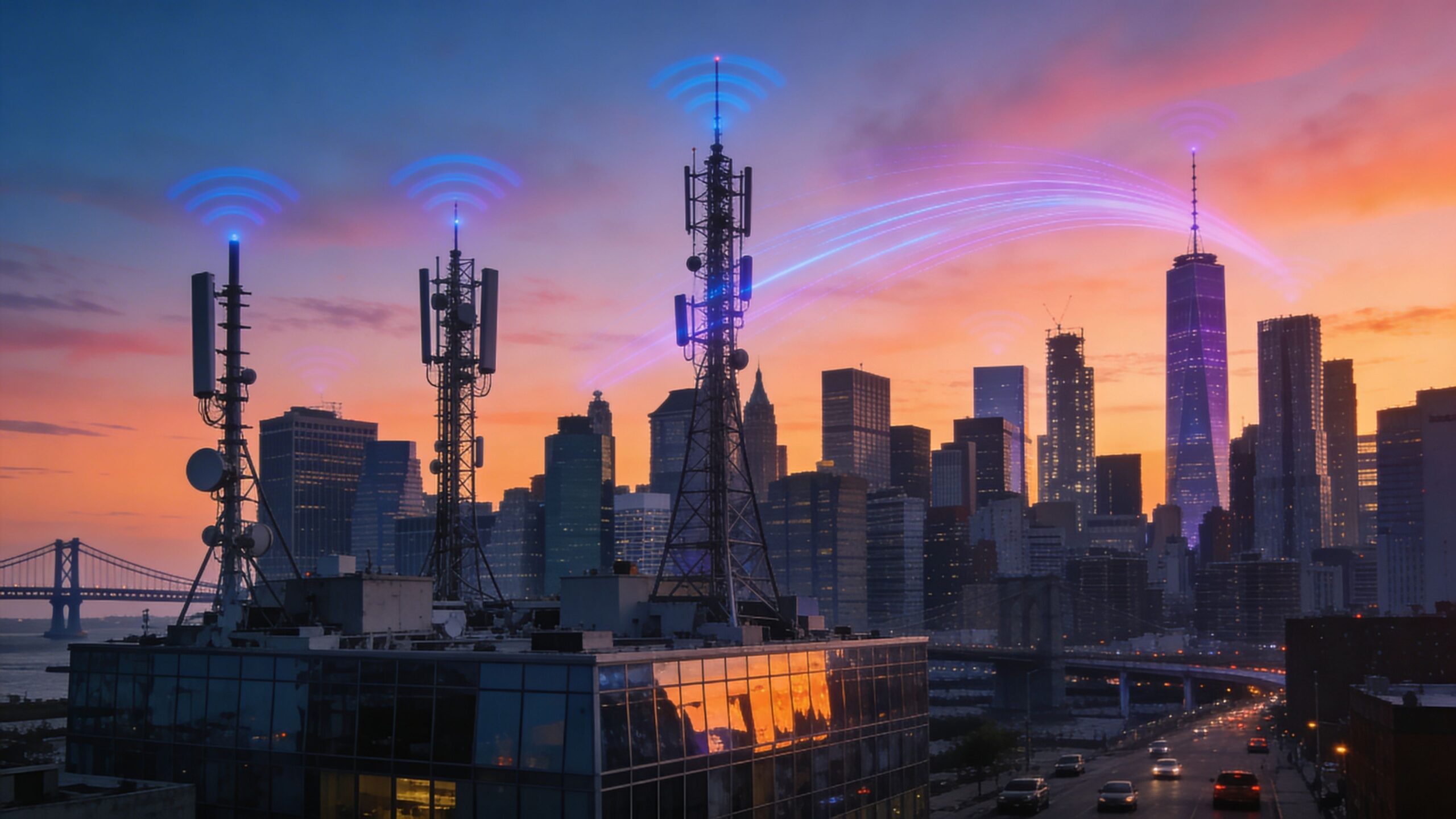
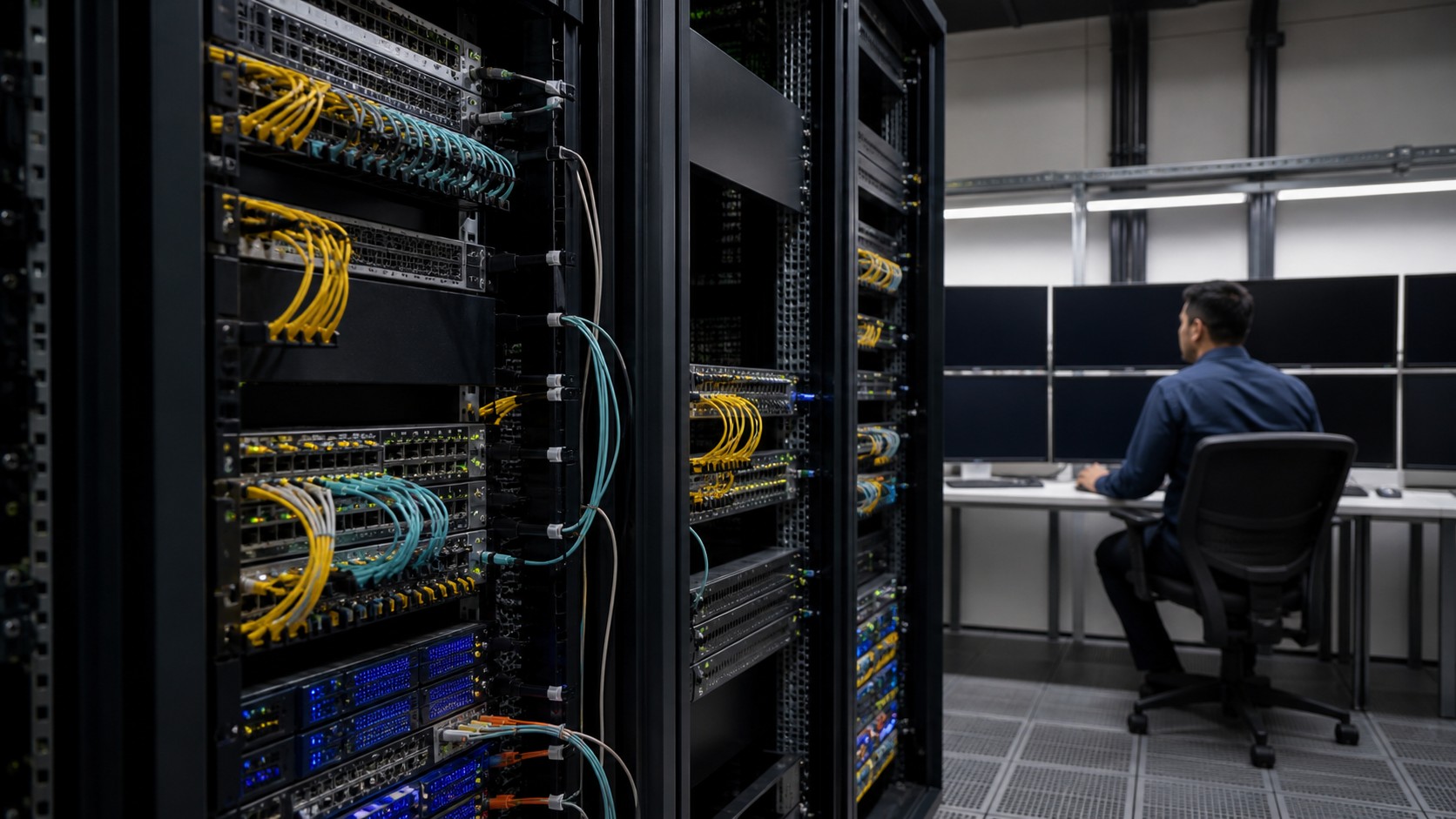
Mobile networks route calls and data through radio sites, backhaul, carrier core systems, authentication, mobility management, and internet or voice gateways.

Where Technology Meets Communication
Mobile networks route calls and data through radio sites, backhaul, carrier core systems, authentication, mobility management, and internet or voice gateways.
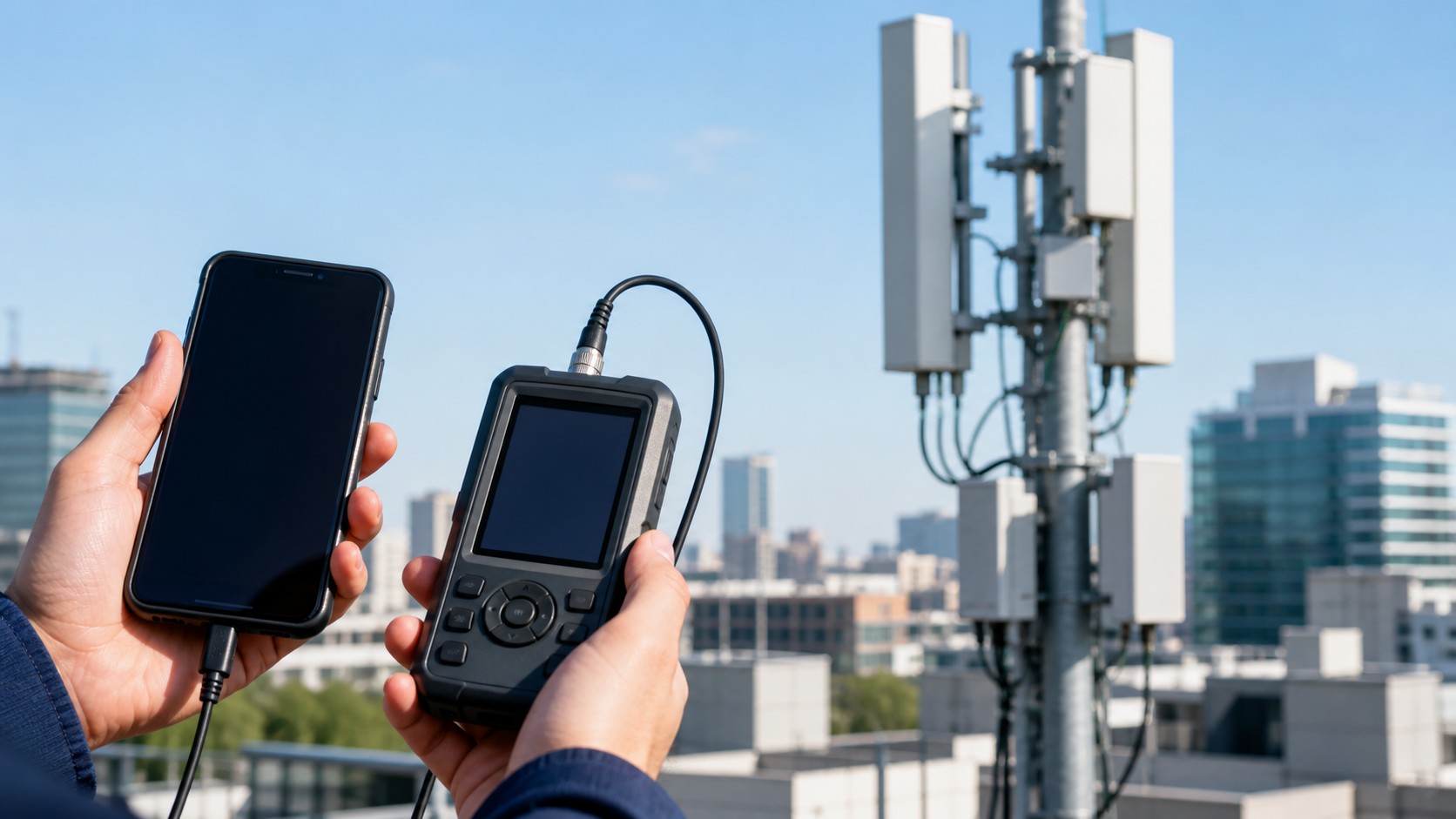
Cellular signal is measured through strength, quality, interference, noise, bands, latency, and network load, not just phone bars.
Mobile data works through a chain of smartphone radios, cell sites, carrier authentication, backhaul, core routing, plan policy, and app traffic.
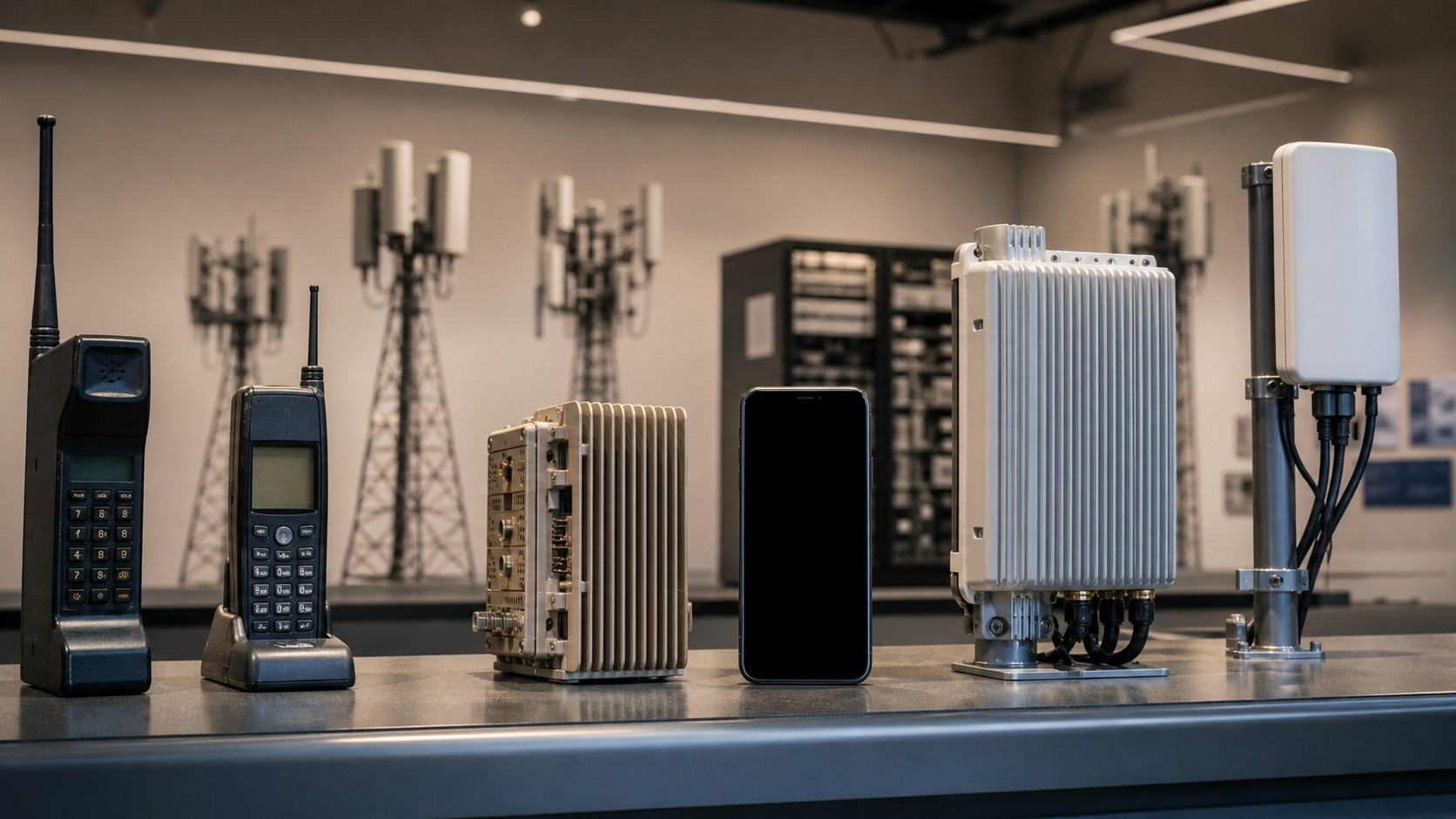
Cellular networks evolved from analog 1G voice to digital 2G, mobile internet 3G, data-first 4G, and capacity-rich 5G.
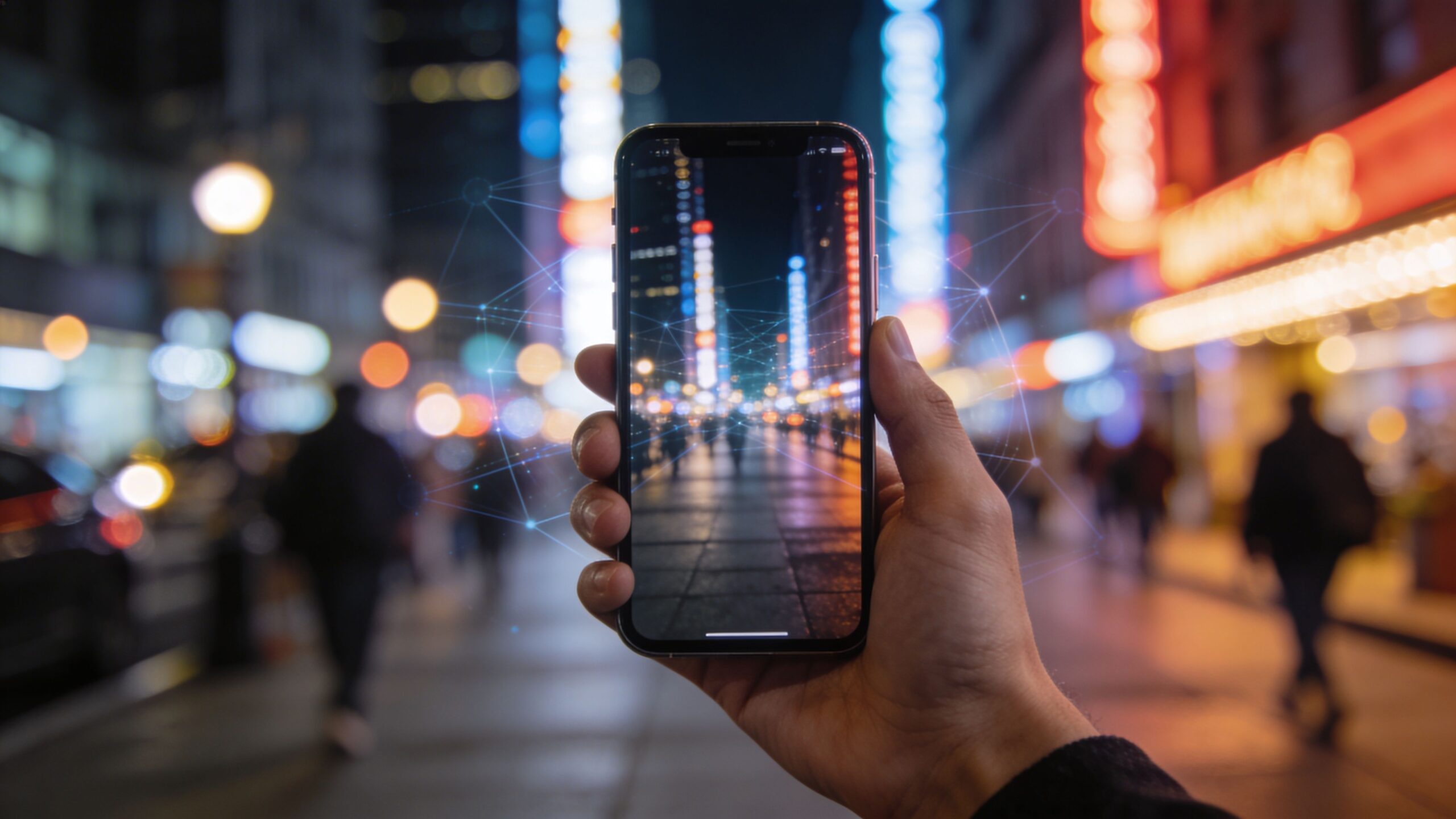
Learn how a phone connects to a cellular network, from signal search and authentication to towers, backhaul, handoffs, data sessions, and roaming.
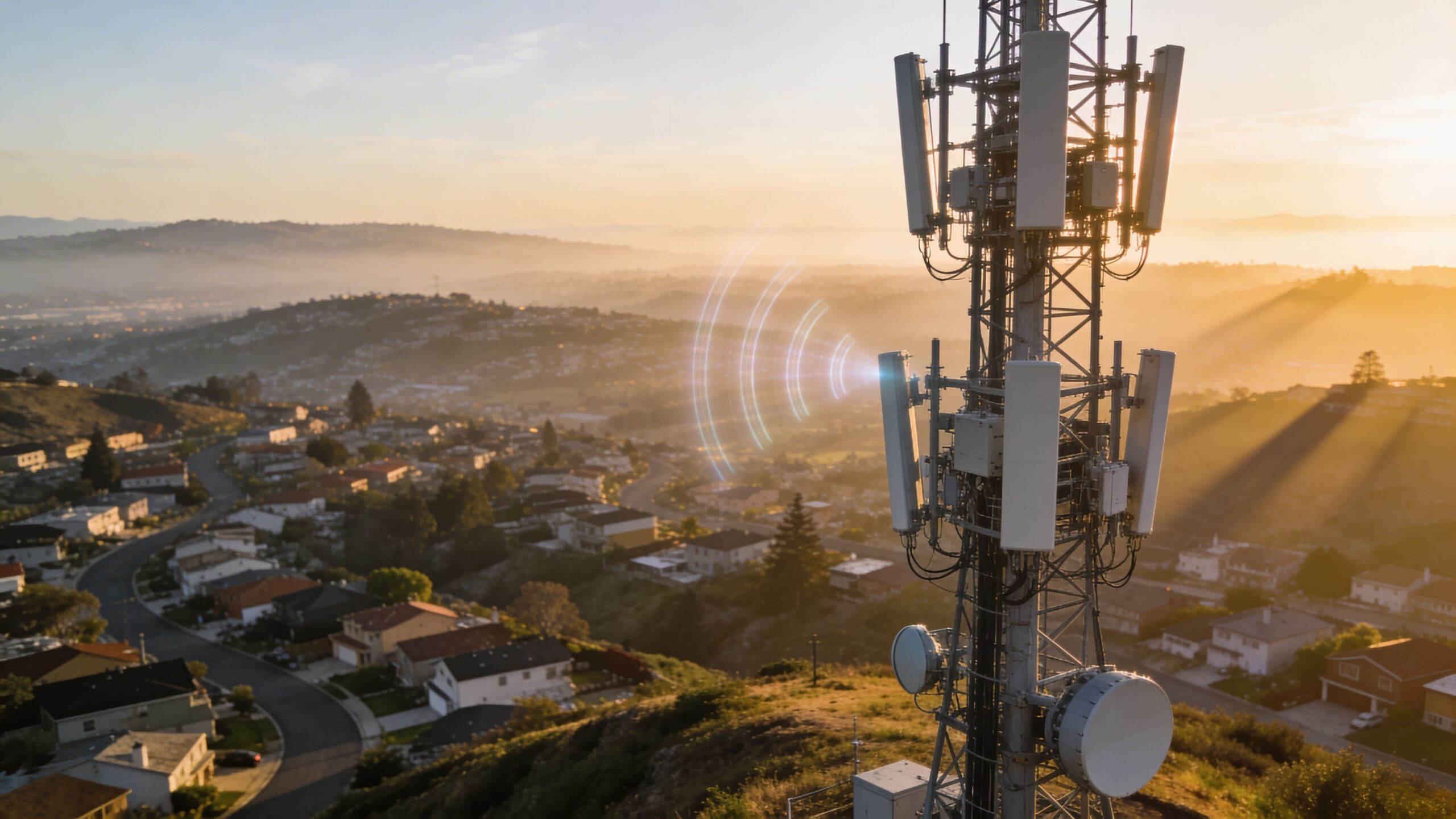
Cell towers connect phones to mobile networks through radios, antennas, backhaul, and careful coverage planning. Learn why towers are common and how they work.
A cellular network is a moving web of towers, spectrum, and smart routing that keeps your phone connected almost anywhere. This beginner’s guide breaks down cells, signals, handoffs, and how your data travels from your pocket to the internet in milliseconds. Once you see the basics, “bars,” LTE, and 5G stop being mysteries—and start making sense.
Cellular networks are a moving web of towers, spectrum, and smart routing that keeps your phone online almost anywhere. This guide explains how signals travel, how towers share bandwidth, why speeds change block to block, and how your data finds its way from your pocket to the internet in milliseconds. Once you see the system, coverage maps and signal bars finally make sense.
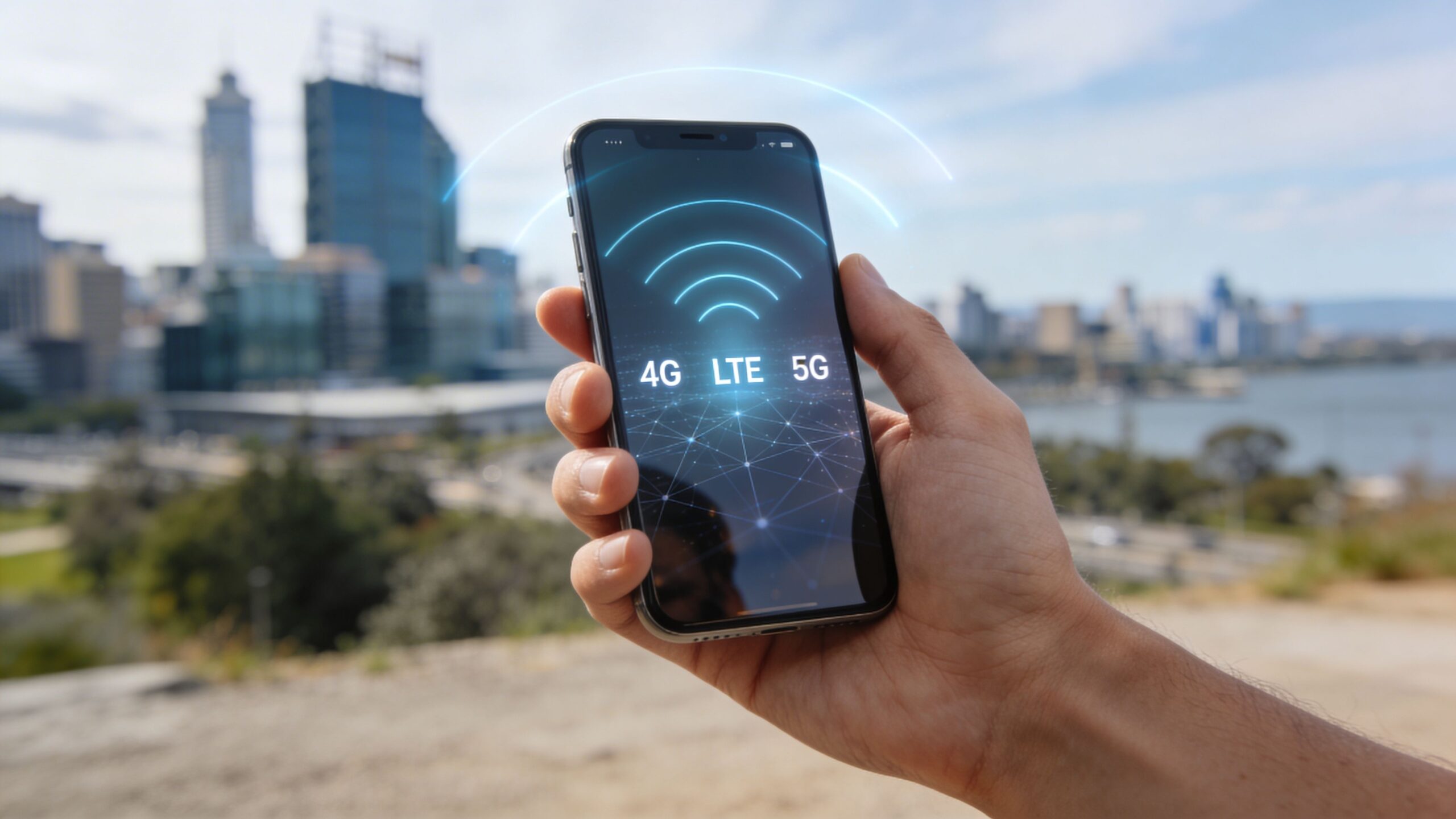
4G, LTE, and 5G look like simple icons, but they represent different layers of mobile technology. This guide breaks down what each label actually means, how speed and coverage really work, why your phone switches between them, and which connection is best for streaming, gaming, travel, and everyday reliability.
5G is more than “faster bars.” It’s a redesigned wireless system built for speed, capacity, and low latency—powered by new spectrum, smarter antennas, and denser networks. This guide explains what 5G really is, how it differs from 4G LTE, why coverage varies by neighborhood, and what it unlocks for streaming, gaming, IoT, and industry.
Every tap, swipe, and stream begins with a hidden handshake between your phone and a nearby network. Learn how cell towers, spectrum, and carrier cores move your data across town—or across the world—in milliseconds. This guide breaks down the real journey of a mobile internet connection, from radio waves to routing, and why speed changes as you move.
LTE, or Long Term Evolution, changed the way the world connects. From streaming video on smartphones to powering entire mobile ecosystems, LTE became the backbone of modern wireless communication. Discover how this powerful technology works, why it was revolutionary, and how it still supports billions of devices even in the age of 5G.