
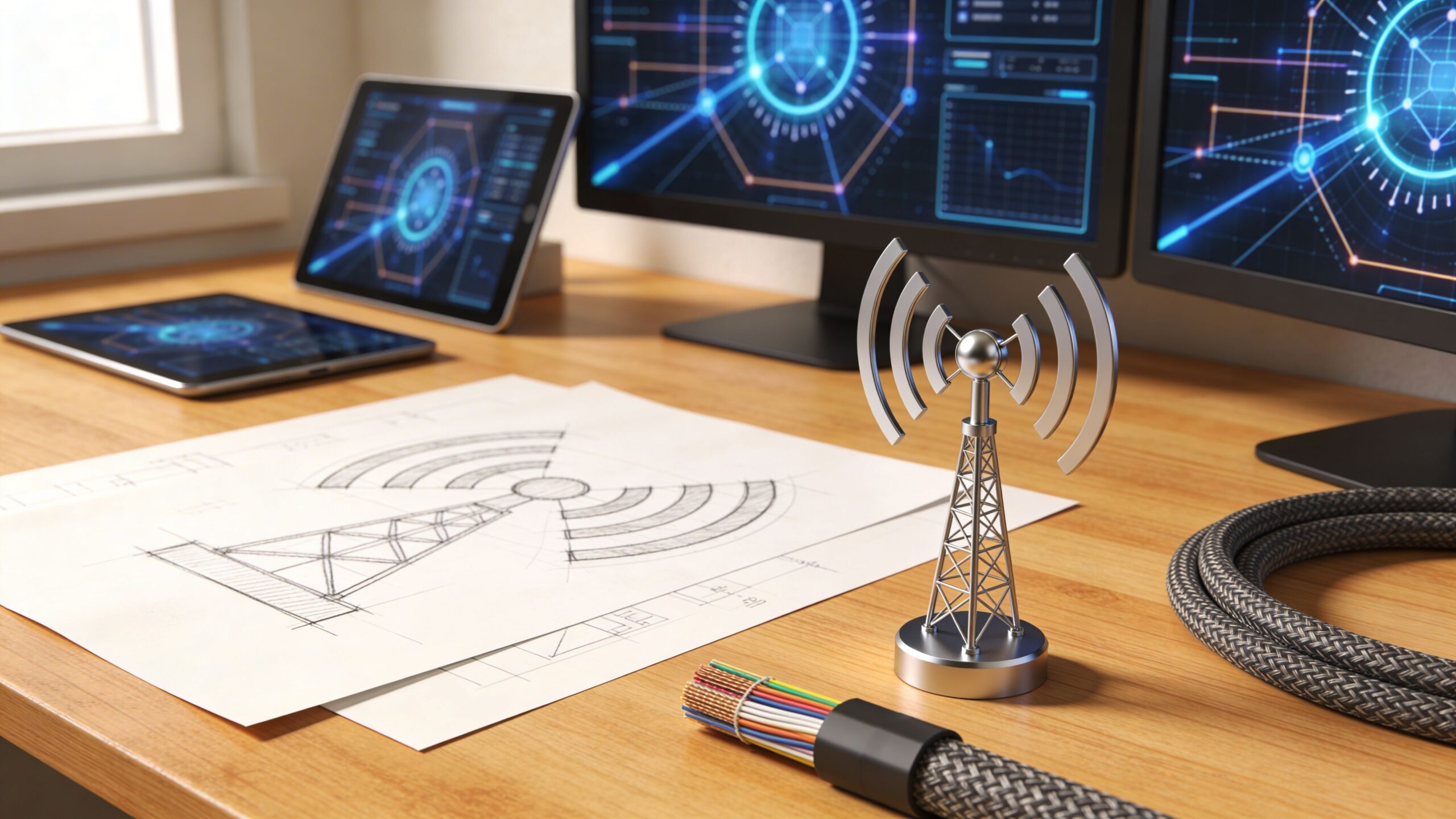
Telecom Iconography is where communication technology becomes instantly recognizable, visually powerful, and surprisingly fascinating. From cell towers and satellite dishes to signal bars, fiber routes, routers, antennas, and switchboards, this corner of Telecommunication Streets explores the symbols, shapes, and visual language that help define the connected world. It is a space for readers who want to understand how telecom systems are represented in design, media, branding, technical diagrams, and everyday interfaces without needing an engineering degree to enjoy the journey. Whether you are curious about the meaning behind classic telephone imagery, the rise of wireless network symbols, or the sleek visual shorthand used to represent data flow, coverage, and connectivity, Telecom Iconography opens the door to a rich visual universe. This page brings together articles that decode the images behind communication itself, blending history, design, infrastructure, and innovation into one engaging hub. If you love technology, symbols, and the hidden visual culture of networks, this is where the conversation begins in vivid and memorable style today.
A: It is the visual language used to represent communication systems, devices, and network concepts.
A: They make technical ideas easier to understand quickly across websites, apps, and diagrams.
A: It usually shows the strength or quality of a wireless mobile connection.
A: Because it remains one of the most universally recognized symbols for calling and communication.
A: Long-distance transmission, broadcast systems, or global communication coverage.
A: Usually with glowing strands, light pulses, or sleek cable imagery that suggests speed.
A: No, they are designed to help everyday users understand technology more easily.
A: It should be simple, readable, memorable, and tied clearly to a communication concept.
A: On phones, apps, service maps, control panels, websites, and network equipment interfaces.
A: They turn invisible systems like signals and networks into images people can instantly recognize.