
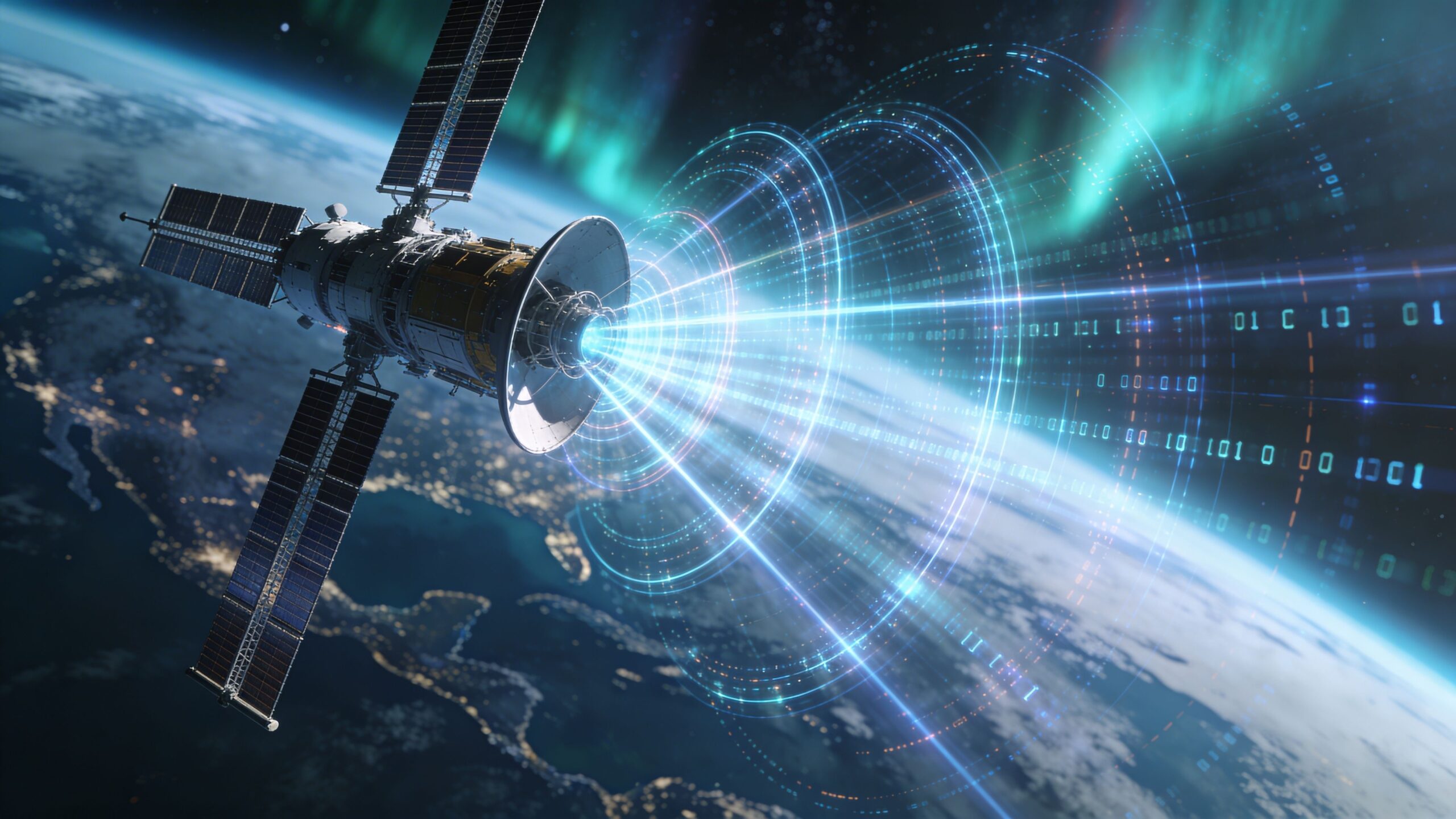
Channel coding and error correction sit at the heart of reliable communication, transforming fragile signals into resilient streams capable of surviving noise, interference, and distortion. Whether data travels across fiber networks, wireless channels, satellites, or emerging quantum links, coding techniques ensure information arrives intact and meaningful. This sub-category explores the science and engineering behind redundancy, parity, and advanced algorithms that detect and repair transmission errors in real time. From foundational block and convolutional codes to modern innovations like LDPC, turbo coding, and polar codes, channel coding defines how networks achieve speed without sacrificing accuracy. Error correction is not merely a defensive mechanism; it is an enabler of high-performance communication, empowering technologies such as 5G, deep-space telemetry, cloud infrastructure, and IoT ecosystems. Within these articles, readers will discover how mathematical theory intersects with practical design, revealing strategies that balance bandwidth efficiency, latency, and reliability. Channel coding and error correction represent the invisible guardians of connectivity, ensuring every message, packet, and signal maintains integrity as it moves across an increasingly complex telecommunications landscape.
A: It protects data from transmission errors caused by noise.
A: A method allowing receivers to fix errors without retransmission.
A: Nearly all digital systems apply some form of error control.
A: The ratio of useful data to total transmitted bits.
A: Detection finds errors; correction repairs them.
A: Yes, especially in satellite and legacy cellular systems.
A: Redundant bits consume bandwidth.
A: Using probability values to improve decoding accuracy.
A: It combines LDPC and polar codes for reliability.
A: AI-assisted and quantum error correction innovations.