Why These Three Labels Confuse Everyone
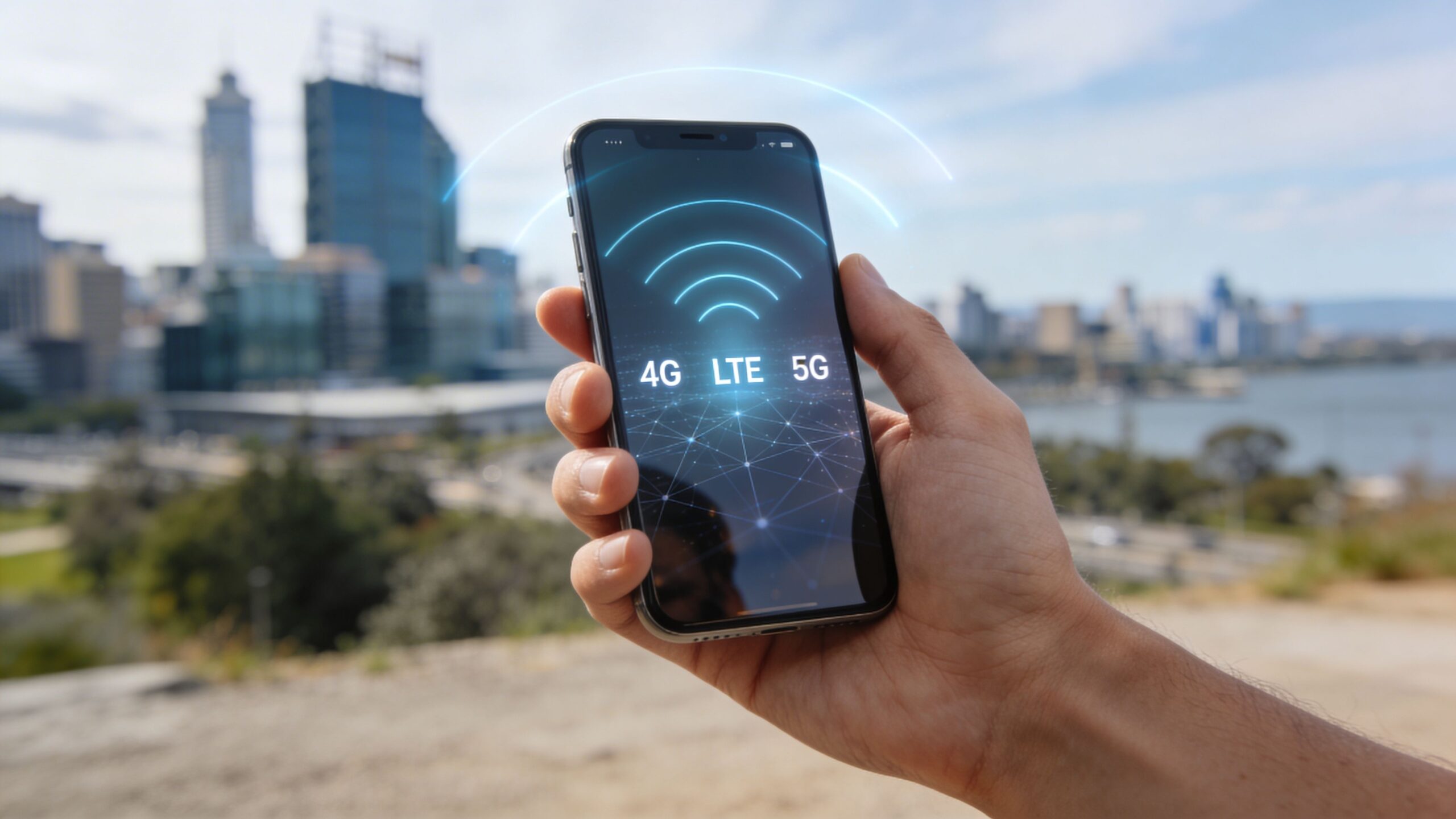
Your phone flashes tiny symbols—LTE, 4G, 5G—and it’s easy to assume they’re three separate “levels” of internet speed. In reality, they’re a mix of generations, marketing shorthand, and underlying technologies that overlap in the real world. LTE is a specific network technology, 4G is a generation label, and 5G is the next generation built to expand speed and capacity. The confusion comes from the fact that LTE is strongly associated with 4G, yet phones often display LTE and 4G as if they’re different things. Once you know what each term actually refers to, the icons start to make sense. You’ll understand why your phone switches between them, why one neighborhood’s 5G can be mind-blowingly fast while another’s barely feels different than LTE, and why “bars” don’t always predict real speed.
A: The tower may be congested or the signal quality may be poor.
A: No. It depends on band, coverage, device support, and network load.
A: Sometimes, especially if the old phone lacks important bands.
A: A handoff, weak coverage edge, or congestion can interrupt the session.
A: Wi-Fi calling, better carrier coverage, or a properly installed signal solution may help.
A: It uses wireless access, but the plan and equipment are designed for home broadband.
A: Networks often allocate more capacity to download demand.
A: Only partly. Local coverage and congestion matter most.
A: Coverage, failover, voice quality, latency, and support response.
A: The one that performs reliably where you actually use it.
Start With the Simple Translation
Think of 4G and 5G as generations—big eras of mobile network design. They represent major leaps in how cellular systems handle data, capacity, and efficiency. LTE, on the other hand, is the technology that powered most of the 4G era. In everyday language, LTE became so common that many people use “LTE” and “4G” interchangeably, even though the labels don’t always mean exactly the same thing.
So the cleanest way to frame it is this: LTE is the engine, 4G is the class of vehicle it belongs to, and 5G is a newer model designed with a different set of strengths. In modern networks, these technologies often work together in layers, rather than replacing one another overnight.
What LTE Really Is
LTE stands for Long Term Evolution, a cellular standard created to upgrade mobile networks into true mobile broadband. Earlier networks were built primarily for voice with data added later, but LTE flipped that model by making data the centerpiece. It delivered faster speeds, better efficiency, and lower latency than 3G, which is why it became the foundation for streaming, app ecosystems, and always-connected smartphones. LTE also introduced an “all-IP” style architecture, meaning your data traffic is handled in internet-style packets from the start. Even voice calls evolved into VoLTE, which sends voice as data rather than using older circuit-style calling. For many people around the world, LTE remains the most reliable, widely available layer of mobile internet today.
What 4G Actually Means
4G is a generation label that signals a significant step forward in mobile data performance and network design compared to 3G. In practice, 4G became closely tied to LTE because LTE was the technology most carriers used to deliver 4G-class experiences. Over time, LTE improvements—often called LTE Advanced—pushed performance even further through features like carrier aggregation and advanced antenna systems.
That’s why phones may show “4G” in one place and “LTE” in another even if you’re using roughly the same underlying network type. Some carriers and regions use “4G” as a simplified label for LTE service, while others display LTE specifically. The important point is that LTE is the technology; 4G is the era and the performance class it helped define.
What 5G Actually Means
5G is the fifth generation of mobile networking, designed not only for higher speeds but also for dramatically higher capacity and lower latency. While LTE improved mobile internet, 5G was built for a future where phones aren’t the only devices online. Smart infrastructure, industrial sensors, connected vehicles, and dense urban usage all demand a network that can serve huge numbers of connections without buckling. 5G also expands the range of spectrum mobile networks can use and introduces more advanced radio techniques. In ideal conditions, 5G can deliver impressive peak speeds and extremely responsive connections. But the experience varies because 5G is deployed in layers, and not all layers are built for the same purpose.
The Spectrum Difference That Changes Everything
A major reason 4G/LTE and 5G feel different is spectrum. LTE typically operates in spectrum bands that balance coverage and capacity, but those bands are limited and increasingly crowded. 5G expands the playable field by using a mix of low-band, mid-band, and high-band spectrum, each with distinct behavior.
Low-band 5G travels far and penetrates buildings well, making it great for coverage but often not dramatically faster than LTE. Mid-band 5G is the sweet spot for many users, offering a strong mix of speed and usable range. High-band 5G, often associated with millimeter wave, can be extremely fast but requires dense small-cell deployment and tends to struggle indoors or around obstacles.
Coverage: Why LTE Often Feels More “Everywhere”
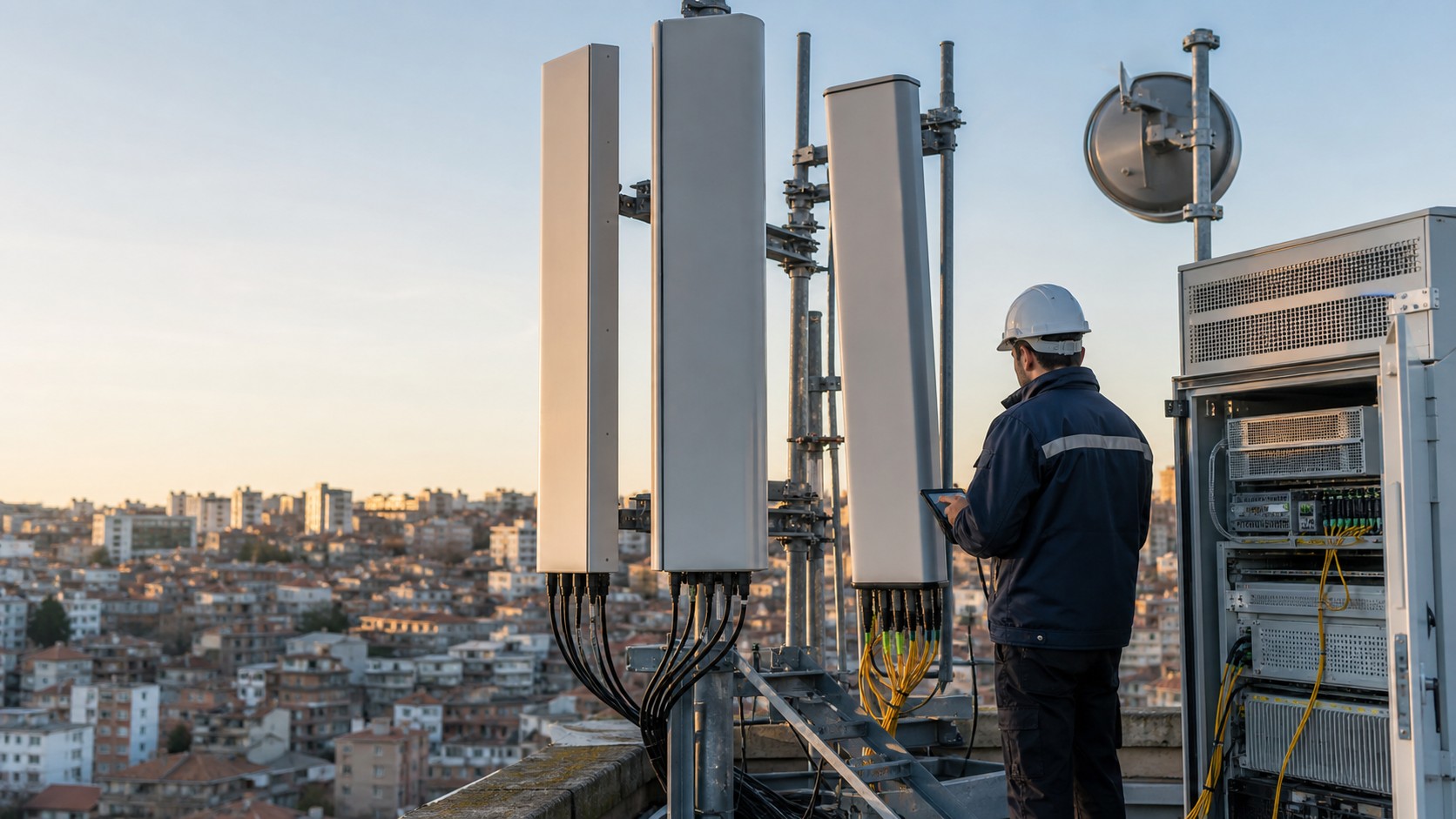
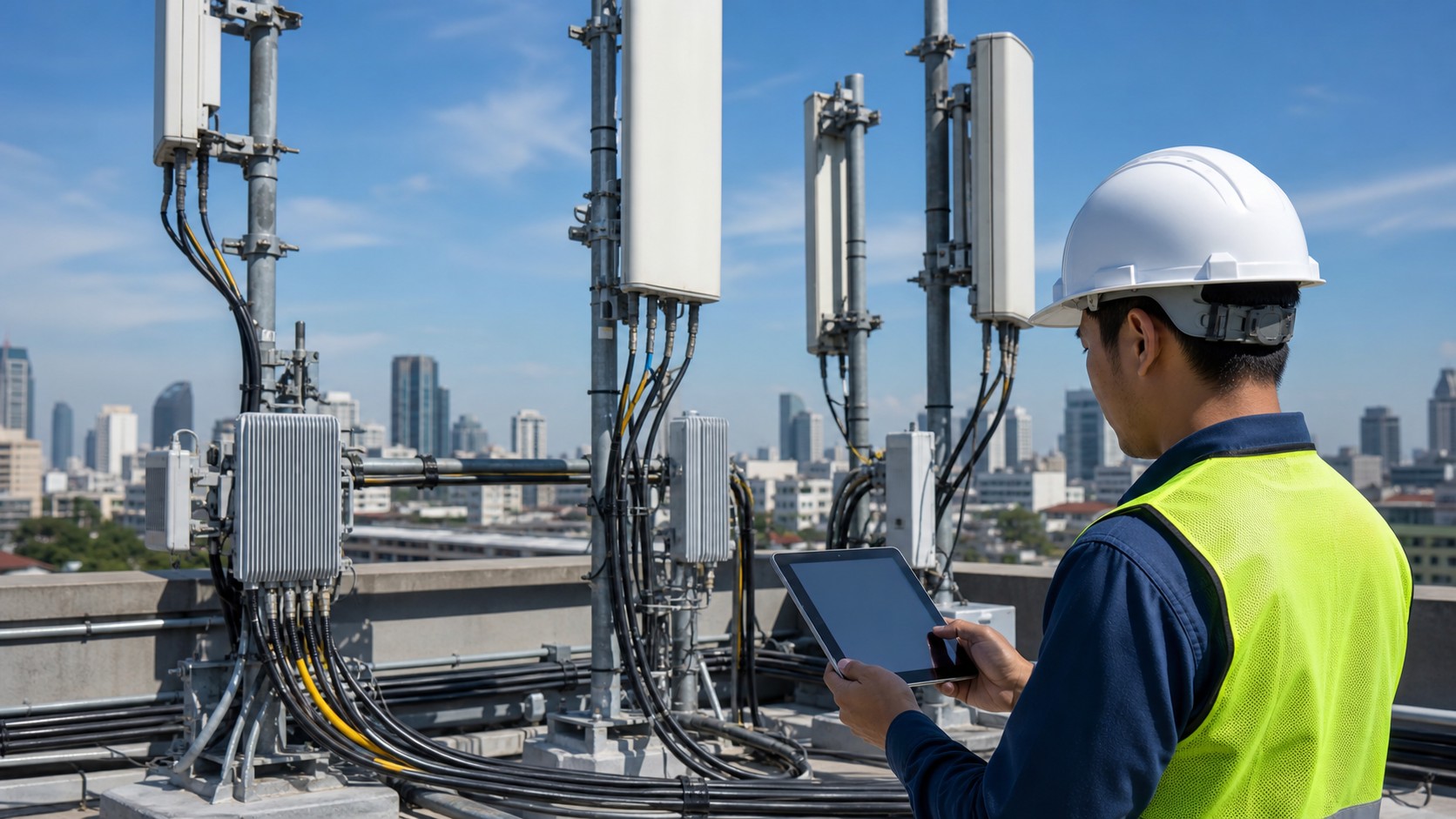
LTE has had years to mature, and carriers have built extensive coverage maps around it. That’s why LTE often feels dependable in rural areas, on highways, and inside buildings. It’s not that 5G can’t cover those places—it’s that 5G deployment is still expanding, and some versions of 5G rely on dense infrastructure that takes time to build. In many regions, LTE remains the “coverage layer” that keeps phones connected consistently. 5G is often layered on top in areas where carriers have added spectrum, upgraded antennas, and installed small cells. This is why you might see 5G in downtown zones but fall back to LTE a few miles away, even though your plan supports both.
Speed: The Most Misunderstood Metric
People talk about speed as if it’s a fixed property, but mobile speed is a moment-by-moment negotiation between your phone, the local radio environment, and network load. LTE can be extremely fast in well-provisioned areas, especially with LTE Advanced features. Meanwhile, 5G can sometimes feel similar to LTE if the carrier is using low-band spectrum or if the network is congested.
Where 5G shines most consistently is capacity. In places with dense deployments and strong mid-band spectrum, 5G can keep speeds more stable when crowds hit, because the network has more room to serve everyone. Peak speed is exciting, but the bigger win is often that the network doesn’t slow down as dramatically when demand spikes.
Latency: The “Feel” of the Network
Latency is the delay between sending a request and receiving a response, and it often matters more than raw download speed. LTE already improved latency compared to older networks, which is why apps feel responsive on 4G. 5G aims to reduce latency further, especially in standalone deployments and with edge computing that brings services closer to users. Lower latency can make video calls feel more natural, gaming more responsive, and cloud applications more fluid. Even if your speed test doesn’t look dramatically different, improved latency can make a network feel “faster” in day-to-day use because interactions happen with less delay.
How Your Phone Chooses Between LTE, 4G, and 5G
Your phone is constantly making decisions about the best connection to use, and the decision isn’t just about speed. It factors in signal strength, signal quality, network availability, tower load, and how stable the link is while you move. That’s why phones can jump between 5G and LTE while you walk down the street or step indoors.
In many deployments, 5G also works with LTE in the background. Some networks use LTE for control signaling while 5G handles part of the data traffic. Your phone might still display a 5G icon, but the connection is actually a coordinated blend of technologies designed to keep service stable.
Non-Standalone vs Standalone 5G
A big behind-the-scenes difference is whether your 5G is non-standalone or standalone. Non-standalone 5G uses existing LTE infrastructure for some core functions, which helped carriers roll out 5G faster. It can deliver meaningful improvements, especially in busy areas, but it’s still partly anchored to LTE. Standalone 5G connects to a 5G core network designed for advanced features and more flexible traffic handling. This can improve efficiency and unlock capabilities like more sophisticated network management and new service types. Standalone deployment is expanding, but it takes time because it requires deeper network upgrades than simply adding new radios.
What the Icons Usually Mean on Your Screen
When your phone shows LTE, you’re on an LTE radio connection, which is commonly the foundation of 4G service. When it shows 4G, you may still be on LTE depending on how your carrier labels the network. When it shows 5G, you’re connected to a 5G-capable radio layer, but the speed you get depends heavily on spectrum type and network density.
This is why people can have wildly different experiences with the “same” icon. The icon tells you the technology layer, but it doesn’t tell you how much spectrum is available, how congested the cell is, or what backhaul capacity supports that site. In mobile networking, those details decide the real experience.
Which One Is Best for Streaming, Gaming, and Travel
For streaming, the best network is the one with stable throughput and reliable coverage. LTE is often excellent for streaming because it’s widely deployed and consistent. Mid-band 5G can be even better, especially in busy locations, because it offers more capacity. High-band 5G can be incredible for streaming, but only where it’s available and strong. For gaming and video calls, latency matters. 5G can deliver better responsiveness in some setups, but LTE can also perform very well, especially when congestion is low. For travel, LTE still tends to win on broad compatibility and coverage in many places, while 5G is rapidly improving but can be uneven depending on region and carrier rollout.
The Biggest Myths: Clearing the Air
One common myth is that 5G automatically means blazing speed everywhere. In reality, some 5G deployments prioritize coverage rather than peak performance, which can look impressive on a map but feel only modestly faster than LTE. Another myth is that LTE is “old” and not worth using; in truth, LTE remains a highly capable technology that continues to be upgraded and will remain critical for years.
The most useful mindset is to think of modern mobile networks as layered systems. LTE provides a stable floor. 5G adds new capacity and new performance where carriers have built it out. Your phone moves between them to keep you connected, not to chase a marketing promise.
The Future: How These Layers Will Coexist
LTE isn’t going away overnight. It will remain the backbone coverage layer in many areas while 5G expands density, spectrum, and advanced features. Over time, more standalone 5G deployments will make 5G feel more consistent, and network upgrades will improve indoor coverage and congestion handling. For users, that means the “best” network won’t always be a single label. The best experience will come from a smart blend: LTE for coverage and reliability, and 5G for capacity and next-level performance where it’s built out. The icon may change, but the goal stays the same—fast, reliable internet that follows you everywhere.