A Smartwatch and a Fitness Tracker Solve Different Wrist Problems
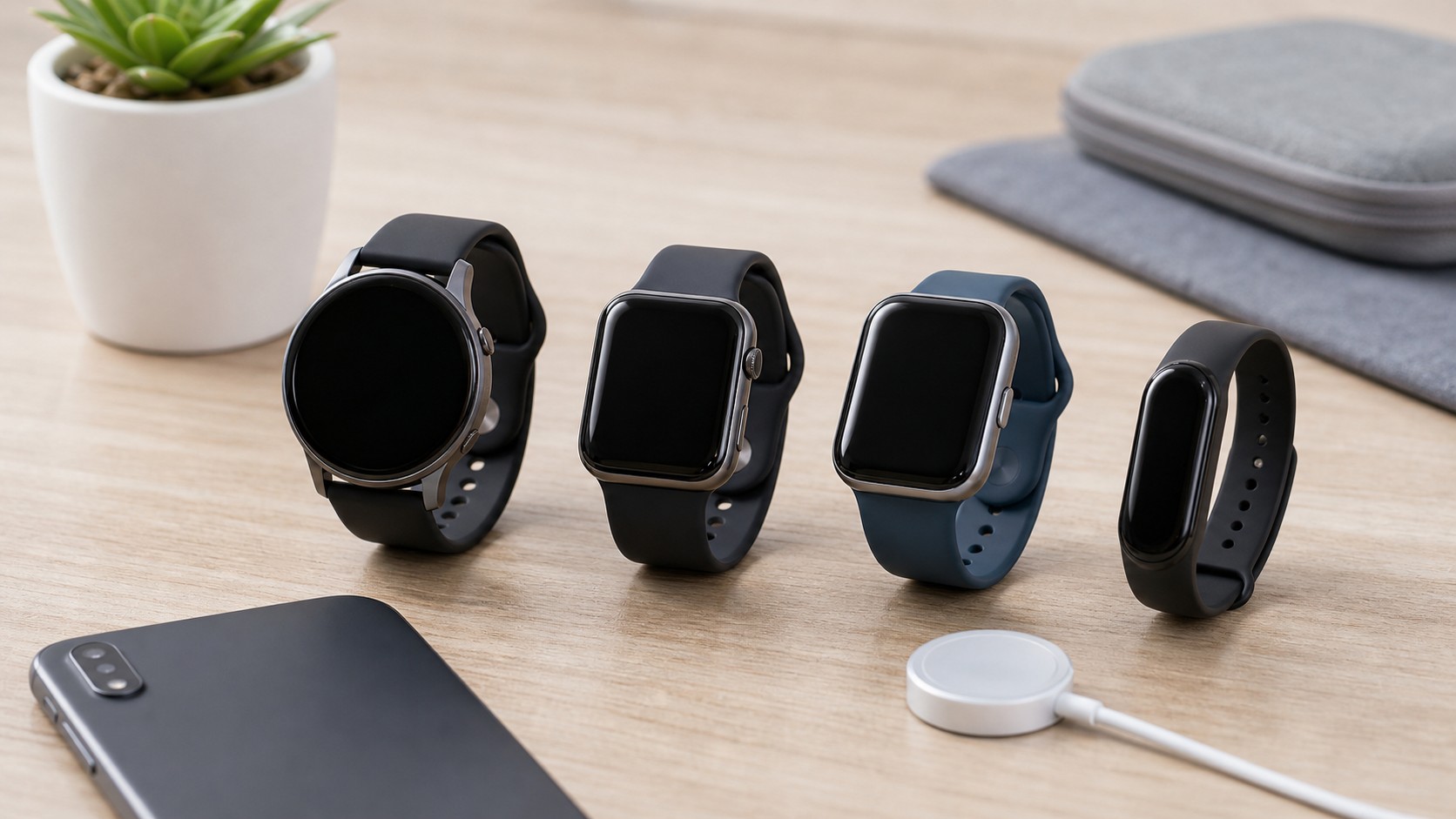
A smartwatch and a fitness tracker may count steps, measure workouts, and follow sleep, but they are not really built for the same kind of person. A smartwatch wants to be a small extension of the phone, with notifications, calls, apps, payments, voice assistants, music controls, and richer screens. A fitness tracker usually tries to be quieter, lighter, cheaper, and longer-lasting on battery. The right choice depends less on which device has the longer feature list and more on what you want your wrist to interrupt, measure, simplify, or ignore during an ordinary week.
A: Most wellness features show trends and should not replace clinical care.
A: It helps phone-free use but costs more and uses more battery.
A: Apple Watch usually gives iPhone users the deepest integration.
A: Galaxy Watch, Pixel Watch, Garmin, Fitbit, and others can fit different needs.
A: It can show patterns, but stages are estimates.
A: Loose fit, motion, cold skin, or sensor issues can affect readings.
A: Some advanced insights may require one, so check before buying.
A: Comfort, GPS, heart-rate quality, battery life, and clear displays.
A: Consistency, reminders, privacy, and useful trend summaries.
A: The one you will wear consistently and understand clearly.
Start With What You Want on Your Wrist
The first question is not whether a smartwatch has more features. It does. The better question is whether those features belong on your wrist. If you want to screen calls, answer messages, pay at a store, control music, check maps, and use apps without pulling out a phone, a smartwatch has a clear purpose.
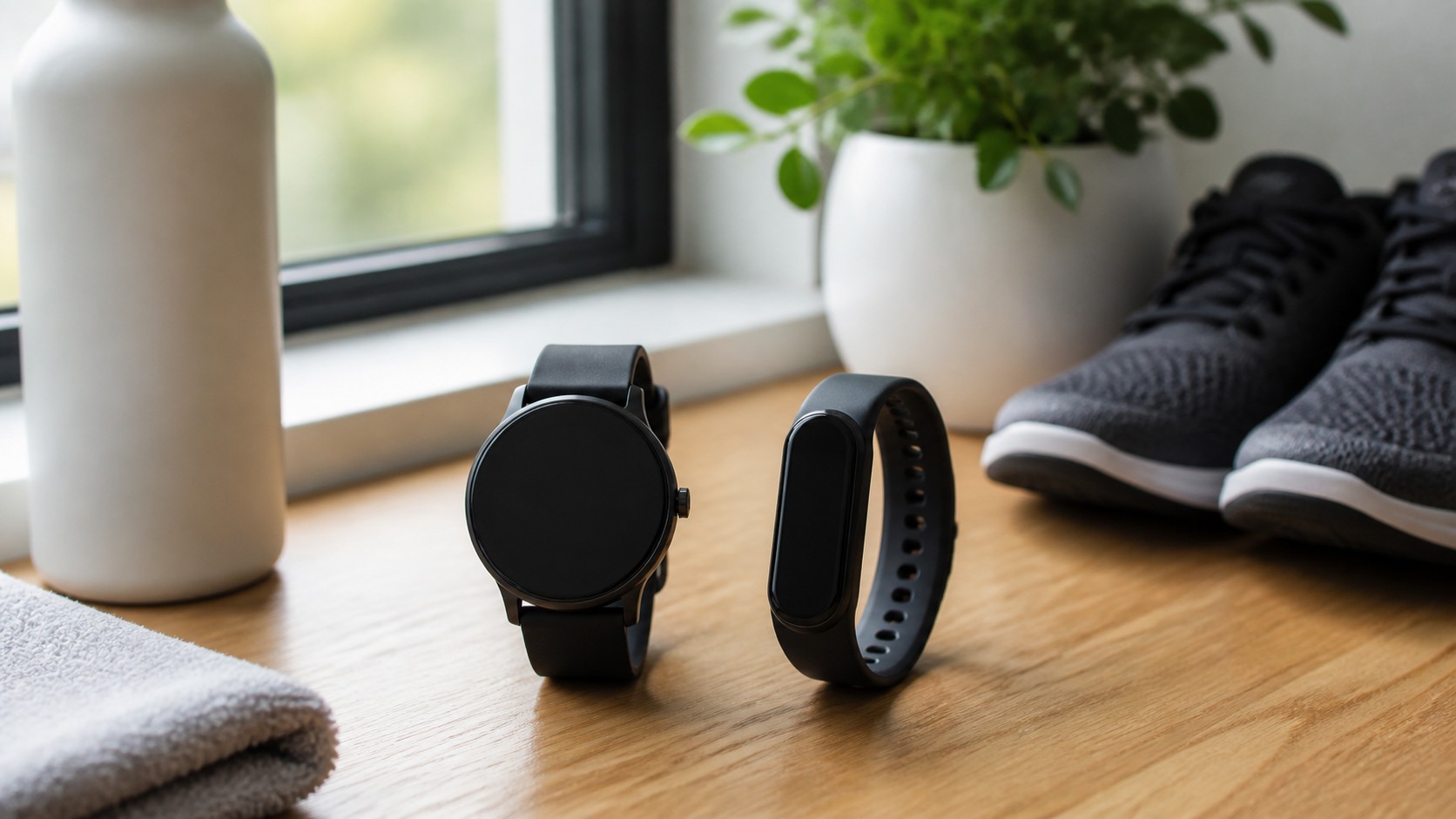
If you mostly want steps, sleep, heart-rate trends, workout minutes, and reminders to move, a fitness tracker may be the cleaner choice. It gives the health layer without turning the wrist into another notification center. That lower-friction approach can be more useful for people who already feel crowded by screens.
The difference is emotional as much as technical. A smartwatch asks for attention. A tracker asks for consistency. Choose the relationship you want with the device, not only the spec sheet.
Battery Life Changes the Habit
Battery life is one of the biggest practical differences. Many smartwatches need charging every day or every couple of days depending on settings, display use, GPS, cellular, and sleep tracking. That routine can work well, but it requires discipline. Forget the charger on a weekend trip and the watch becomes ordinary jewelry. Fitness trackers often last several days or longer, which makes them easier to wear continuously. Continuous wear matters because health and sleep features are only useful when data is not missing. A tracker that stays on the wrist through workouts, showers, sleep, errands, and travel can produce a more complete picture.
The charging question is really a behavior question. If you already charge devices every night and like richer features, a smartwatch is fine. If you hate another charging habit, a tracker may fit your life better.
Notifications Are a Feature and a Cost
Smartwatch notifications can be wonderful. A quick wrist glance can tell you whether a message needs attention or can wait. Calls, calendar alerts, reminders, ride-share updates, and payment confirmations all become more convenient when they are filtered through a watch.
The cost is interruption. A wrist vibration can feel more urgent than a phone in a pocket. If every app is allowed to tap your arm, the watch can become a tiny attention leak. Good smartwatch ownership requires pruning notifications aggressively.
Fitness trackers tend to be quieter. Some show basic alerts, but they usually do not invite the same level of interaction. That restraint can be a feature for people who want health data without adding another screen to the day.
Health Tracking Depends on Consistency
Both device types can track everyday health signals, but consistency matters more than a dramatic dashboard. Step counts, resting heart rate, sleep duration, workout minutes, and recovery trends become useful when the device is worn regularly and interpreted over time. A device left on a charger cannot measure anything. Advanced sensors vary by model. Some smartwatches include ECG features, blood-oxygen estimates, skin temperature trends, fall detection, or irregular rhythm notifications. Some trackers focus on sleep, readiness, stress, and activity trends with fewer phone-like features. These tools can be helpful, but they are not replacements for medical care.
The best wearable is the one that captures your normal life accurately enough to reveal patterns. Comfort, strap fit, skin sensitivity, and battery life all influence that more than marketing phrases do.
Workout Needs Split the Decision
Casual exercisers can be happy with either device. Walking, cycling, gym sessions, yoga, and basic runs are widely supported. The choice becomes sharper when workouts get more specific. Runners may want built-in GPS, pace alerts, route maps, interval tools, and good outdoor visibility. Strength athletes may care about timers, recovery, and comfort under wrist wraps.
A smartwatch is better when workouts are part of a broader phone-free routine. Music, payments, calls, and emergency features can matter on long runs or rides. A fitness tracker is better when the user wants simple logging and long battery without much interaction.
Serious athletes may eventually outgrow both ordinary categories and choose a sport watch. That is a different decision. For most people, the smartwatch-versus-tracker choice is about daily training habits and how much control they want mid-workout.
Compatibility Can Decide Before Price
Phone compatibility should be checked early. Some watches work best only with one phone ecosystem. A wearable may technically pair with a device but lose key features, app support, messaging tools, or health integrations. That can turn a great review score into a poor personal purchase. Fitness trackers are often more flexible across platforms, though subscription apps and health-data exports still matter. If you use a specific health app, family setup, workplace wellness program, or training platform, confirm that the wearable can share data the way you expect.
This is where a cheaper device can become more useful than a premium one. The best wearable is not the one with the most features in isolation. It is the one that works completely with the phone and services you already use.
Price Includes Subscriptions and Replacement Bands
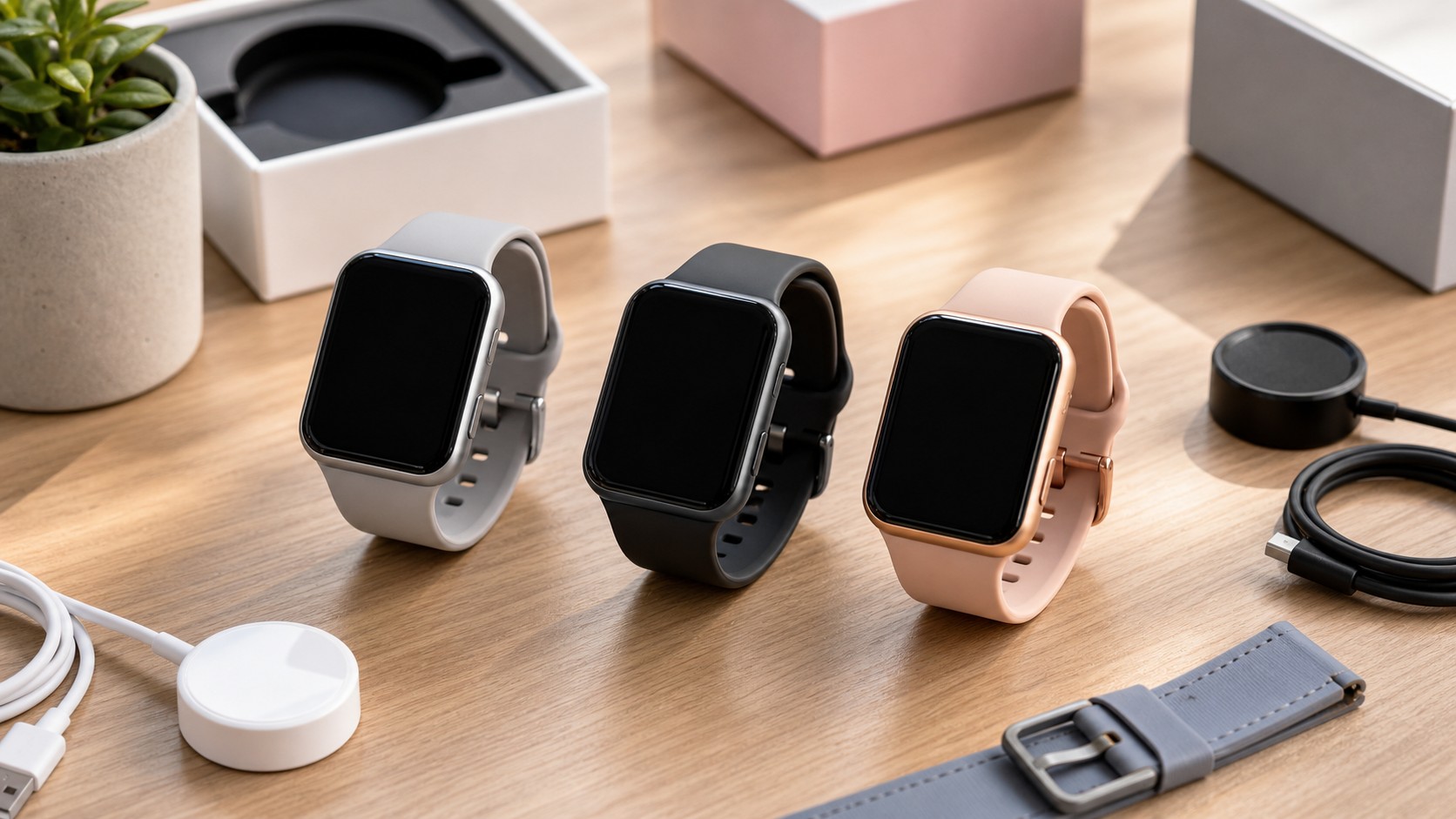
Wearable pricing does not stop at checkout. Some platforms charge subscriptions for deeper readiness, recovery, sleep, or coaching insights. Replacement bands, chargers, screen protectors, and premium apps can also change the total cost. A low device price may not be the full ownership price.
Smartwatches usually cost more upfront, especially with cellular models, premium materials, or larger cases. Fitness trackers can be cheaper, but subscription-heavy models may narrow the difference over time. Buyers should calculate a two-year cost, not only the sale price.
The good news is that both categories have strong options. A careful buyer can choose a simple tracker, a balanced smartwatch, or a sport-focused wearable without overspending. The key is paying for the features that will actually change behavior.
The Practical Wearable Takeaway
Buy a smartwatch if you want a wrist-based extension of your phone and you are willing to manage notifications and charging. Buy a fitness tracker if you want quieter health and activity tracking with less cost, less weight, and less daily maintenance. Neither choice is universally smarter. For many people, the right wearable is the one that removes friction. If checking alerts keeps you from pulling out your phone all day, a smartwatch can reduce distraction. If wrist alerts make you tense, a tracker may be healthier. If charging makes you stop wearing the device, battery life should lead the decision.
The choice should feel personal because the device is personal. It sits on your body, notices your routines, and asks for attention. Choose the one that makes your habits easier to keep.
When a Smartwatch Is Worth the Upgrade
A smartwatch is worth the upgrade when its phone-like features solve real annoyances. People who miss calls, use transit payments, run without a phone, rely on calendar reminders, or want quick voice controls may get daily value from the larger screen and richer software.
It is also worthwhile for safety features. Fall detection, emergency calling, location sharing, and cellular options can matter for older adults, solo runners, travelers, or anyone who wants a backup connection. Those features should be evaluated carefully by model and region.
The upgrade is less compelling if the watch mostly duplicates a phone that is already nearby. In that case, a tracker may deliver the health data without creating another device to manage.
When a Fitness Tracker Is the Smarter Buy
A fitness tracker is the smarter buy when the goal is habit awareness. It can make movement, sleep, and recovery visible without taking over the day. The smaller form can be especially helpful for people who dislike bulky watches or want to sleep with the device every night. Trackers also suit budget-conscious buyers who do not need wrist apps. A simple device that counts activity, monitors heart-rate trends, records workouts, and lasts a week can beat a premium watch that feels like too much.
The best tracker purchase is not boring. It is focused. It says the user values health signals and convenience more than a tiny phone on the wrist.
Think About Screen Appetite
A smartwatch is easier to justify when the user wants a screen that can do more than report health data. Larger displays make it easier to read notifications, glance at maps, start timers, check weather, control music, and interact with apps. That usefulness is real, especially for people who keep their phone tucked away during work, errands, workouts, or parenting moments. The same screen can become a burden. A device that invites constant tapping may pull attention into the wrist all day. People who are trying to reduce phone habits may prefer a fitness tracker because it gives them enough information without opening another small doorway into messages, apps, and alerts.
Sleep Is Often the Deciding Test
Many buyers discover the answer at bedtime. If the device feels too bulky, too bright, too tight, or too battery-hungry to wear overnight, sleep tracking becomes theoretical. A smartwatch may have better sleep features on paper, while a lighter tracker may collect more complete sleep data because it is easier to forget.
This matters because sleep and recovery tools depend on repeated nights. One missed night is not a disaster, but repeated charging gaps can make trend lines unreliable. Anyone buying mainly for wellness should treat overnight comfort as a core feature, not a side detail.
Consider Who Will Read the Data
Some people want detailed charts, zones, scores, and app dashboards. Others want a simple nudge that says they moved more, slept less, or trained harder than usual. A smartwatch often gives richer interaction, while a tracker may present a simpler health story. Neither style is automatically better. The buyer should choose the device that matches their patience for data. A feature-heavy watch can feel powerful for someone who enjoys tracking. The same watch can feel noisy for someone who only wants basic accountability. Good wearable buying starts with self-knowledge.
The Quiet Device Can Win Long Term
Wearables succeed when they become routine. A device that is slightly less capable but easier to wear can beat a more impressive device that spends time on the nightstand. Weight, battery, strap comfort, waterproofing, charging cable availability, and notification restraint all influence whether the habit lasts.
That is why fitness trackers remain relevant despite the rise of powerful smartwatches. They do fewer things, but that smaller role can be exactly right. For many users, a wearable should support life quietly rather than compete with the phone for attention.
A Simple Buying Rule
Use a simple rule if the decision still feels close. If you want the wearable to replace small phone moments, buy the smartwatch. If you want it to quietly record movement, sleep, and basic wellness without inviting much interaction, buy the tracker. That rule cuts through many spec-table distractions. The best choice should make next week easier. Imagine charging it, sleeping with it, wearing it to work, exercising with it, and responding to its alerts. The device that fits that ordinary loop is the better purchase, even if another model looks more impressive in a comparison chart.