The Best Health Smartwatch Helps You Notice Patterns, Not Panic Over Numbers
A good health-focused smartwatch does not turn the wrist into a clinic. It helps the wearer notice patterns: sleep consistency, resting heart rate, workout load, recovery, stress signals, activity minutes, cycle trends, and changes that may deserve attention. The best models combine comfortable hardware, dependable sensors, clear explanations, strong phone compatibility, privacy controls, useful safety features, and enough battery life to capture nights as well as workouts. The goal is not to chase every metric. It is to choose a watch that makes wellness easier to understand and easier to act on.
A: Most wellness features show trends and should not replace clinical care.
A: It helps phone-free use but costs more and uses more battery.
A: Apple Watch usually gives iPhone users the deepest integration.
A: Galaxy Watch, Pixel Watch, Garmin, Fitbit, and others can fit different needs.
A: It can show patterns, but stages are estimates.
A: Loose fit, motion, cold skin, or sensor issues can affect readings.
A: Some advanced insights may require one, so check before buying.
A: Comfort, GPS, heart-rate quality, battery life, and clear displays.
A: Consistency, reminders, privacy, and useful trend summaries.
A: The one you will wear consistently and understand clearly.
Start With the Health Question You Actually Have
Health smartwatches can measure many things, but a long dashboard is not the same as useful guidance. A person trying to sleep better needs different tools from a runner managing training load. A caregiver buying for an older parent may care more about safety alerts than workout zones. A stressed worker may want reminders and trend visibility rather than advanced sport metrics.
Before comparing watches, name the health question. Are you trying to move more, sleep more consistently, train smarter, monitor heart-rate trends, remember medication, reduce stress, or feel safer while exercising alone? That question should drive the purchase.
This prevents feature inflation. A watch with ten metrics you never use is less helpful than a watch with three metrics you understand and act on.
Sleep Tracking Requires Overnight Comfort
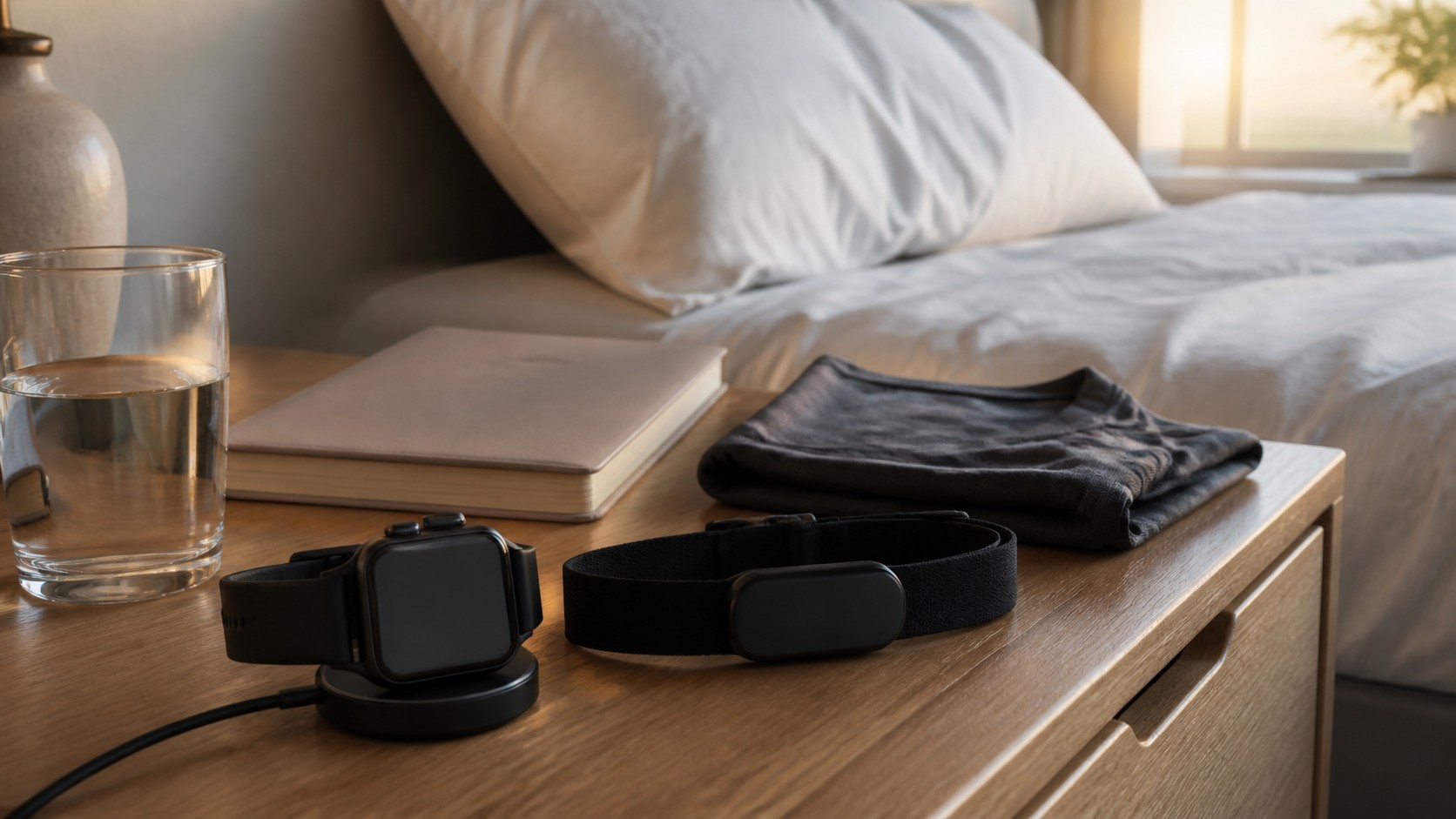
Sleep tracking is one of the most popular wellness features, but it depends on a simple condition: the watch has to be on the wrist at night. A bulky case, irritating strap, short battery life, bright screen, or uncomfortable charging schedule can ruin the feature before the data begins. Look for comfort reviews from people who sleep with the watch. Case size, strap material, clasp shape, weight, and skin feel all matter. A smaller or lighter model may be better for sleep even if a larger model looks more impressive in photos.
Sleep stages should be read cautiously, but bedtime consistency, total sleep duration, wake patterns, and long-term trends can still be useful. The best sleep watch is the one you tolerate every night.
Heart Data Is Most Useful Over Time
Resting heart rate, workout heart rate, recovery trends, and alerts can be meaningful when viewed over time. A single high or low reading may come from stress, caffeine, illness, exercise, poor fit, or ordinary variation. Long-term patterns are usually more useful than isolated surprises.
Wrist-based sensors need good contact. The watch should sit snugly above the wrist bone during workouts. Loose bands, cold skin, tattoos, movement, and certain activities can affect readings. Chest straps may still be better for athletes who need high-precision training data.
The value of smartwatch heart tracking is convenience. It makes patterns visible without special equipment. That visibility can encourage better questions and habits, but it should be interpreted with common sense.
Safety Features Belong in the Health Conversation
Health monitoring is not only about workouts and sleep. Fall detection, emergency calling, location sharing, crash detection, loud-noise alerts, and medication reminders can make a smartwatch more valuable for certain users. These features may matter for older adults, solo runners, cyclists, travelers, and people with specific safety concerns. Availability varies by model, phone, region, and connectivity plan. Cellular service may be needed for some features when the phone is not nearby. Emergency features should be tested and understood before they are relied on.
A watch bought for safety should be simple to wear and simple to charge. The best emergency feature is not useful if the device is dead in a drawer.
Wellness Scores Need Explanation
Many smartwatches now offer readiness, recovery, stress, energy, body battery, or wellness scores. These can be helpful when they explain the inputs behind the number. A score that changes with sleep, recent exercise, resting heart rate, heart-rate variability, and stress can help people connect behavior to recovery.
The danger is treating a proprietary score as a command. A low score should invite reflection, not panic. Did you sleep poorly, travel, drink alcohol, train hard, or feel sick? The watch may be picking up a real pattern, but the user still has to interpret the context.
The best health watch translates data into understandable suggestions. It should make the user feel informed, not judged.
Subscriptions Change the Buying Decision
Some watches include most health features at no extra cost. Others reserve deeper sleep analysis, recovery insights, coaching, historical trends, or readiness scores for a subscription. That can be acceptable when the service is valuable, but it changes the real price of the device. Buyers should compare the two-year cost. A cheaper watch with a required subscription may cost more than a watch with a higher upfront price and included features. The value depends on whether the paid insights lead to better habits.
Subscription fatigue is real. If you are unlikely to keep paying, judge the watch by what it does without the membership.
Privacy Should Be Set Deliberately
Health data can be sensitive. Sleep, heart trends, cycle information, location, workouts, weight, medication reminders, and stress patterns can reveal intimate details. A health smartwatch should be evaluated not only by what it collects but also by how clearly it lets you control that information.
Review sharing settings during setup. Check which apps can read health data, whether cloud syncing is required, how location history is handled, and how family or coach sharing works. If the watch supports exports, understand what format and destination are used.
Good privacy habits do not require paranoia. They require attention. A wellness device should support the user's goals without scattering personal data casually.
Fitness Accuracy Depends on the Activity
A watch can perform well for one activity and less well for another. Steady running is easier to track than interval training, strength work, rowing, boxing, or sports with rapid wrist movement. GPS accuracy also varies by city streets, trees, weather, and antenna design. This is why health-watch reviews should include real workouts, not only menu tours. The right watch for a runner may not be the right watch for a weightlifter or hiker. Battery life during GPS activity also matters for long events.
Choose around your most common activities. Occasional features are nice, but everyday workouts decide whether the watch earns its place.
The Practical Health-Watch Takeaway
The best smartwatch for health monitoring is the one that captures consistent data, explains it clearly, protects privacy, and fits comfortably into the user's life. It does not need to have every possible sensor. It needs to answer the health questions that matter most to the wearer.
For many buyers, that means prioritizing comfort, battery life, phone compatibility, sleep tracking, heart-rate trends, safety features, and clear coaching. For athletes, GPS, workout depth, recovery metrics, and sensor accuracy may rise higher. For caregivers, emergency tools and ease of use may matter most.
A good health watch should create calmer awareness. It should help you notice patterns early enough to adjust sleep, activity, recovery, and routines without turning every number into an alarm.
How to Compare Health Watches Fairly
Compare watches under the same conditions. Wear them through normal sleep, exercise, errands, and charging routines. Notice whether the data changes your behavior or simply creates curiosity. A watch that looks impressive in a review may not fit your wrist, phone, habits, or budget. Also compare the explanation layer. Two devices may collect similar signals, but one may present them in a clearer way. The best wellness platform is often the one that helps the user understand why a trend changed and what a reasonable next step might be.
Fair comparison ends with behavior. If the watch helps you sleep more consistently, move more often, train smarter, or talk to a professional with better context, it is doing its job.
Health Features Need Context, Not Just Sensors
A sensor list can look impressive, but context decides whether the watch is useful. Resting heart rate may change after illness, stress, poor sleep, alcohol, travel, or harder training. Sleep scores may shift when bedtime moves. Recovery estimates may look low after a normal life event. The watch can notice a pattern, but it cannot always explain the human reason behind it. The best health smartwatches help users connect measurements to behavior. They show trends clearly, explain uncertainty, and avoid making ordinary variation feel frightening. A device that teaches better interpretation is more valuable than one that simply adds another graph.
Safety Buyers Should Test the Whole Workflow
When a smartwatch is purchased for an older adult, solo runner, or person with safety concerns, the emergency features deserve a practical test. The user should know how alerts work, which contacts are notified, whether cellular service is required, and what happens if the phone is not nearby. Setup should be reviewed before there is a stressful moment.
Comfort and charging matter here too. A safety watch that is too confusing or too often dead cannot provide confidence. The best option may be the one with fewer flashy wellness tools but clearer emergency behavior, stronger battery habits, and a design the wearer accepts.
Coaching Should Fit the User's Temperament
Some people respond well to streaks, rings, targets, and reminders. Others feel pressured or discouraged by constant prompts. Health tracking should support behavior change without making the user feel monitored by a scolding device. The tone of the app matters more than many spec sheets admit. A good wellness watch lets users adjust goals, mute reminders, and focus on the metrics that help. Flexible coaching is especially important for people recovering from injury, managing chronic conditions, or returning to exercise after a long break. The healthiest notification is sometimes the one that can be softened.
Battery Strategy Shapes Wellness Value
A health watch has to capture both active and quiet hours. Daytime tracking records movement, workouts, heart-rate changes, and safety events. Nighttime tracking records sleep and recovery context. If battery life forces a choice between those periods, the wellness picture becomes incomplete.
Fast charging can solve part of the problem if it fits the routine. A short charge during a shower or breakfast may keep the watch alive without losing sleep data. Buyers should imagine the charging routine before buying, because the best health platform still depends on power.
Know When to Ignore the Watch
A smartwatch can encourage better habits, but it can also create anxiety if every change feels meaningful. One rough sleep score, one elevated heart-rate reading, or one missed goal should not dominate the day. Wearable data is most useful when it is treated as a pattern over time. Users should also listen to the body. If symptoms feel concerning, professional advice matters more than a normal watch reading. If the watch flags something repeatedly, that information can support a conversation. The device belongs in the wellness toolkit, not in the role of final authority.
The Best Wellness Watch Feels Boring in a Good Way
The most useful health smartwatch often becomes calmly routine. It charges predictably, fits comfortably, tracks without fuss, explains trends clearly, and stays out of the way when life is normal. That ordinary reliability matters more than a dramatic feature that gets used twice.
A watch should help the user make small adjustments: earlier bedtime, gentler recovery day, more consistent walking, better hydration reminders, or a conversation with a clinician when a pattern seems concerning. The value is not the number itself. The value is the healthier decision the number supports.