Why Choosing the Right ISP Matters More Than Ever
Choosing the right internet service provider for your home is no longer a simple matter of picking the cheapest plan with the biggest speed number. In today’s connected household, internet service powers nearly everything: remote work, online classes, streaming entertainment, smart TVs, cloud storage, security cameras, gaming consoles, video calls, tablets, smartphones, and home automation systems. A weak internet plan can turn everyday digital life into a constant cycle of buffering, lag, dropped calls, and frustration. The right ISP can make your home feel fast, flexible, and future-ready. The wrong one can leave you paying too much for speeds you do not need, or worse, paying for a plan that cannot keep up with your household. As more homes rely on multiple connected devices at the same time, choosing an internet provider has become one of the most important utility decisions a homeowner or renter can make.
A: The best one is the provider that performs well at your exact address.
A: Often, but price, availability, support, and home setup still matter.
A: Use them as a starting point, then check local service and plan terms.
A: Upload speed, latency, reliability, and support response.
A: Latency, jitter, packet loss, and stable local Wi-Fi or Ethernet.
A: Sometimes, if the long-term price and switching terms still make sense.
A: Promotions, fees, taxes, equipment, and contract terms can change bills.
A: Use exact-address availability, plan labels, total cost, and real performance.
A: Usually yes if downtime affects sales, care, safety, or operations.
A: A provider with clear pricing, strong local reliability, and responsive support.
Start With What Your Household Actually Does Online
Before comparing internet providers, start by looking at how your household actually uses the internet. A single person who checks email, streams occasional movies, and browses the web does not need the same plan as a family with two remote workers, three streaming TVs, online gamers, smart cameras, and cloud-connected devices running all day.
Streaming, gaming, video conferencing, cloud backups, and smart home systems all place different demands on your connection. Streaming 4K video needs strong download speed. Video calls need stable upload speed and low latency. Gaming depends heavily on ping and connection stability. Cloud storage and content creation require faster uploads. The more your household does at once, the more important it becomes to choose an ISP that can deliver consistent performance, not just impressive advertised speeds.
Understand Internet Speed Without Getting Tricked
Internet speed is usually measured in megabits per second, or Mbps. Higher numbers can sound exciting, but the fastest plan is not always the smartest plan. Many households pay for gigabit internet even though they rarely use enough bandwidth to justify the price. Others choose bargain plans that are too slow for their actual needs. For light browsing and email, lower speeds may work fine. For streaming, video calls, and multiple users, faster service becomes more important. A household with several people streaming, gaming, and working from home may benefit from 500 Mbps or 1 Gbps service. However, speed only matters if the connection is reliable, the equipment is strong, and the provider can actually deliver those speeds during busy hours.
Do Not Ignore Upload Speed
Many internet shoppers focus only on download speed, but upload speed has become much more important. Upload speed affects video calls, cloud backups, livestreaming, sending large files, online teaching, remote collaboration, and smart security cameras. If you work from home, create content, run a home business, or use cloud-based tools, upload speed should be one of your top priorities.
Fiber internet often offers symmetrical speeds, meaning upload and download speeds are similar or identical. Cable internet usually offers strong download speeds but lower upload speeds. For many households, cable is still excellent. But for people who upload large files, attend frequent video meetings, or use connected work tools, a provider with better upload performance may be worth paying more for.
Compare Fiber, Cable, DSL, Fixed Wireless, and Satellite
Different internet technologies perform very differently. Fiber internet is often the most future-ready option because it delivers fast speeds, strong uploads, low latency, and excellent reliability. Cable internet is widely available and can offer very fast downloads, making it a strong option for most homes. DSL is older and often slower, though it may still serve areas without better options. Fixed wireless internet uses radio signals from nearby towers and can be useful in rural or suburban areas. Satellite internet can reach remote homes where wired service is unavailable, but it may have higher latency, weather sensitivity, or data limits depending on the provider. The best ISP for your home depends heavily on what technologies are available at your address.
Check Availability at Your Exact Address
Internet availability can change street by street. One neighborhood may have fiber, cable, and 5G home internet, while another area just a few blocks away may have only one practical option. Always check availability using your exact home address, not just your city or ZIP code.
Provider websites can show availability, but it is also smart to confirm details by phone or chat before signing up. Ask whether the plan is available at your specific address, whether installation is required, what equipment is included, and whether the advertised speed applies to your location. A plan that looks great online is only useful if it can actually be delivered to your home.
Look Beyond the Promotional Price
Many ISPs advertise low introductory pricing that increases after a promotional period. A plan that looks affordable for the first year may become much more expensive later. Before choosing a provider, ask what the regular monthly price will be after the promotion ends. You should also look for equipment rental fees, installation fees, activation charges, early termination fees, paper billing fees, and taxes. The true cost of internet service is not always the number in the advertisement. A slightly higher monthly plan with transparent pricing may be a better deal than a cheaper plan loaded with extra charges.
Watch Out for Data Caps
Data caps limit how much internet your household can use each month before extra fees, slower speeds, or plan restrictions apply. For light users, data caps may not matter much. For households that stream 4K video, play online games, download large files, back up photos to the cloud, or work from home, data caps can become a major problem.
Unlimited data plans are often worth considering for busy households. Even if you do not hit the limit every month, unlimited data provides peace of mind. As homes become more connected, monthly data usage continues to grow, making flexible plans more valuable over time.
Reliability Is Just as Important as Speed
A fast plan is not helpful if the connection drops constantly. Reliability should be one of your biggest deciding factors when choosing an internet provider. Look for customer reviews that mention outages, slowdowns during peak hours, repair response times, and billing problems. Fiber networks are often known for stable performance, but local provider quality still matters. A well-managed cable provider may outperform a poorly maintained fiber service. Ask neighbors about their real-world experience, especially if they use the internet the same way you do. Local feedback can be more useful than national rankings because ISP performance often varies by region.
Consider Latency for Gaming and Video Calls
Latency measures delay. It affects how quickly your device communicates with servers online. Low latency is especially important for online gaming, video conferencing, cloud gaming, remote desktop tools, and real-time collaboration.
A plan with huge download speeds can still feel sluggish if latency is poor. Fiber typically performs well for low-latency applications, while cable can also be strong if the local network is not congested. Satellite internet may have higher latency, though newer systems continue improving. If gaming or remote work matters in your home, do not choose based on download speed alone.
Think About Your Wi-Fi Setup
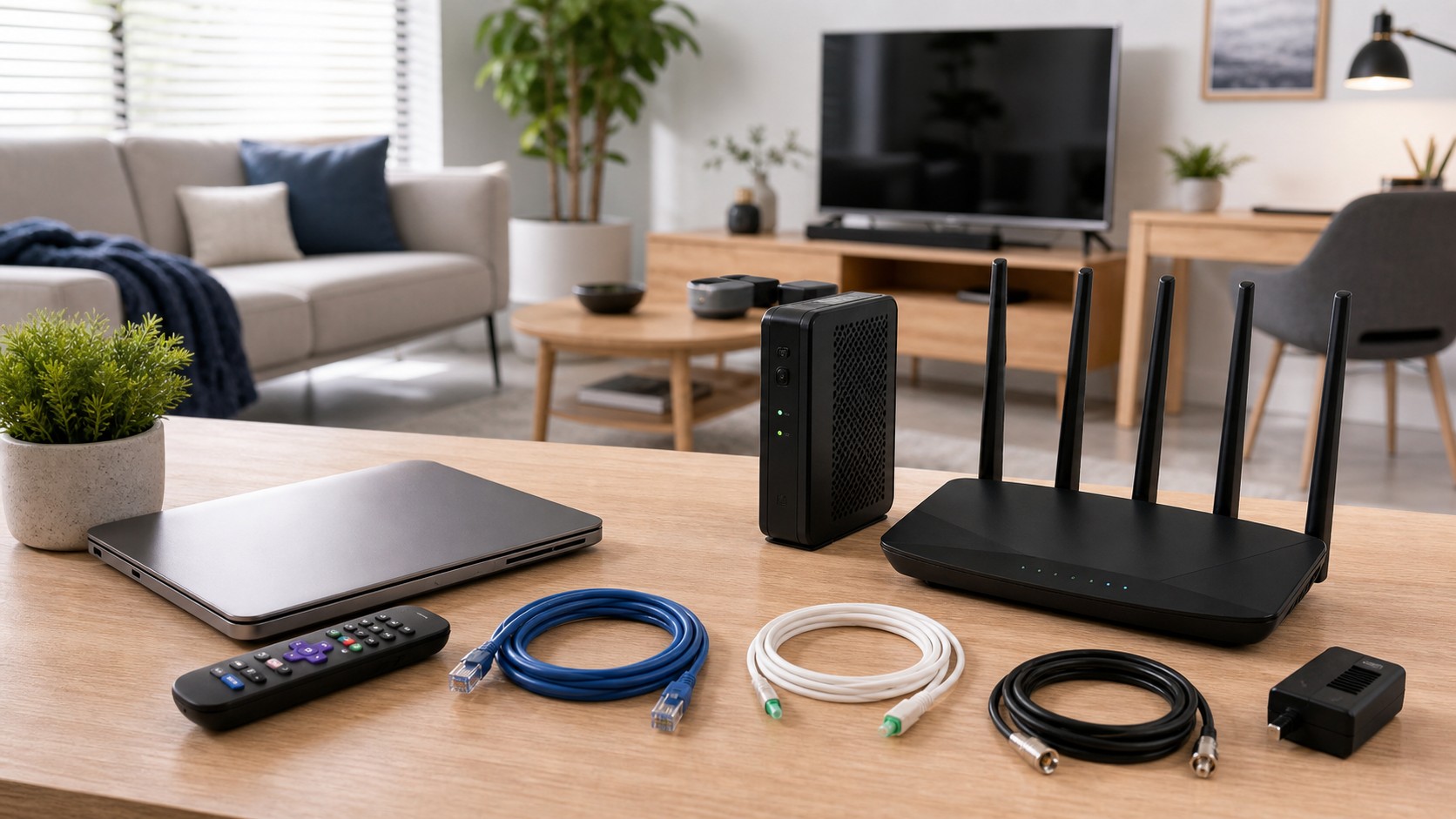
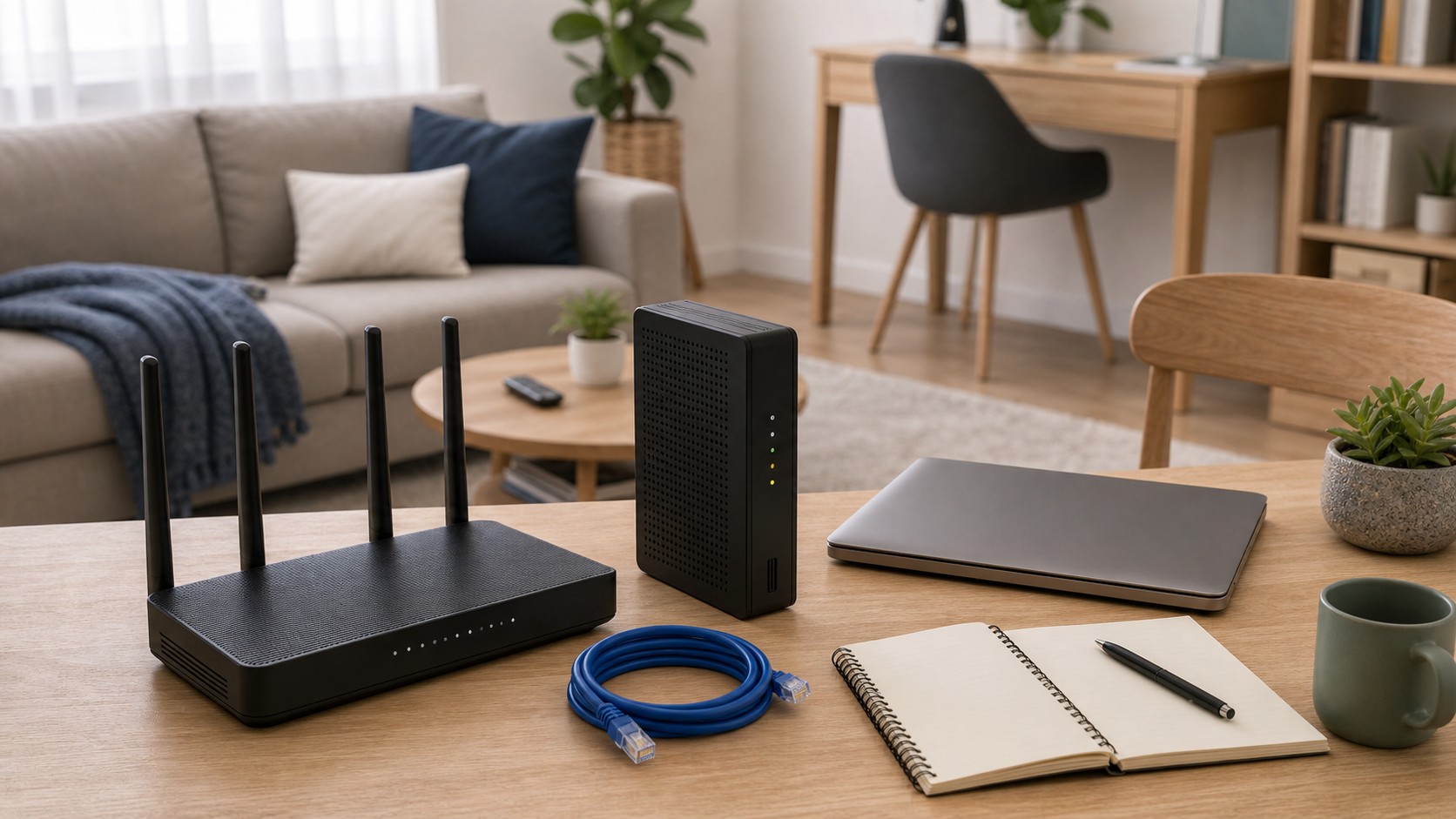
Sometimes the problem is not your ISP at all. It may be your router, modem, home layout, wall materials, or Wi-Fi coverage. A great internet plan can feel slow if your wireless equipment cannot distribute the signal properly. Large homes, multi-story houses, and spaces with thick walls may need a mesh Wi-Fi system. Smaller apartments may perform well with a single modern router. If your provider offers equipment, compare rental costs against buying your own compatible router or mesh system. Strong Wi-Fi can make a mid-tier internet plan feel excellent, while poor Wi-Fi can make even gigabit service feel disappointing.
Read the Contract Before You Commit
Some internet providers offer no-contract plans, while others require long-term commitments. Contracts may include promotional pricing, early termination fees, equipment return requirements, or automatic price increases. Before signing up, read the agreement carefully.
No-contract plans are especially useful for renters, students, temporary residents, or anyone who may move soon. Contract plans can still be worthwhile if they offer strong discounts, but only if you understand the terms. The best ISP should fit your lifestyle, not trap you in a plan that becomes expensive or inconvenient later.
Match the ISP to Your Home’s Future
Your internet needs may grow quickly. A household that only streams today may add smart cameras, cloud gaming, remote work, AI tools, smart appliances, and more connected devices within a few years. Choosing a provider with room to upgrade can save headaches later. Fiber internet is often the most future-proof option when available, but upgraded cable networks can also support growing household demand. Look for providers that offer multiple speed tiers, easy upgrades, modern equipment, and strong local infrastructure. A good ISP should support your home now and still make sense as your digital life expands.
Customer Service Can Make or Break the Experience
Internet problems are frustrating, but poor customer service makes them worse. When comparing ISPs, look at how easy it is to get support. Do they offer live chat, phone support, local technicians, helpful troubleshooting tools, and clear billing assistance?
Customer service matters most when something goes wrong. Outages, billing errors, equipment problems, and installation delays can happen with any provider. The difference is how quickly and honestly the company responds. A provider with slightly slower speeds but better support may deliver a better long-term experience than a faster company with poor service.
The Best ISP Is the One That Fits Your Real Life
There is no single best internet service provider for every home. The right choice depends on your location, budget, household size, work needs, entertainment habits, gaming demands, smart home setup, and willingness to pay for premium performance. For heavy users, remote workers, gamers, and smart homes, fiber is often the strongest choice when available. For everyday households, cable internet may deliver an excellent balance of speed, price, and availability. For rural homes, fixed wireless or satellite may be the most practical option. The smartest decision comes from matching technology, price, and reliability to how your household actually lives online.
Final Thoughts
Choosing the right internet service provider is about more than speed. It is about building a reliable digital foundation for your home. The best plan should support your work, entertainment, security, communication, and future technology without unnecessary cost or frustration.
Compare providers carefully. Check real availability. Understand upload speeds, data caps, fees, contracts, equipment, and customer service. When you choose wisely, your internet becomes invisible in the best possible way: fast when you need it, stable when it matters, and ready for whatever your household does next.