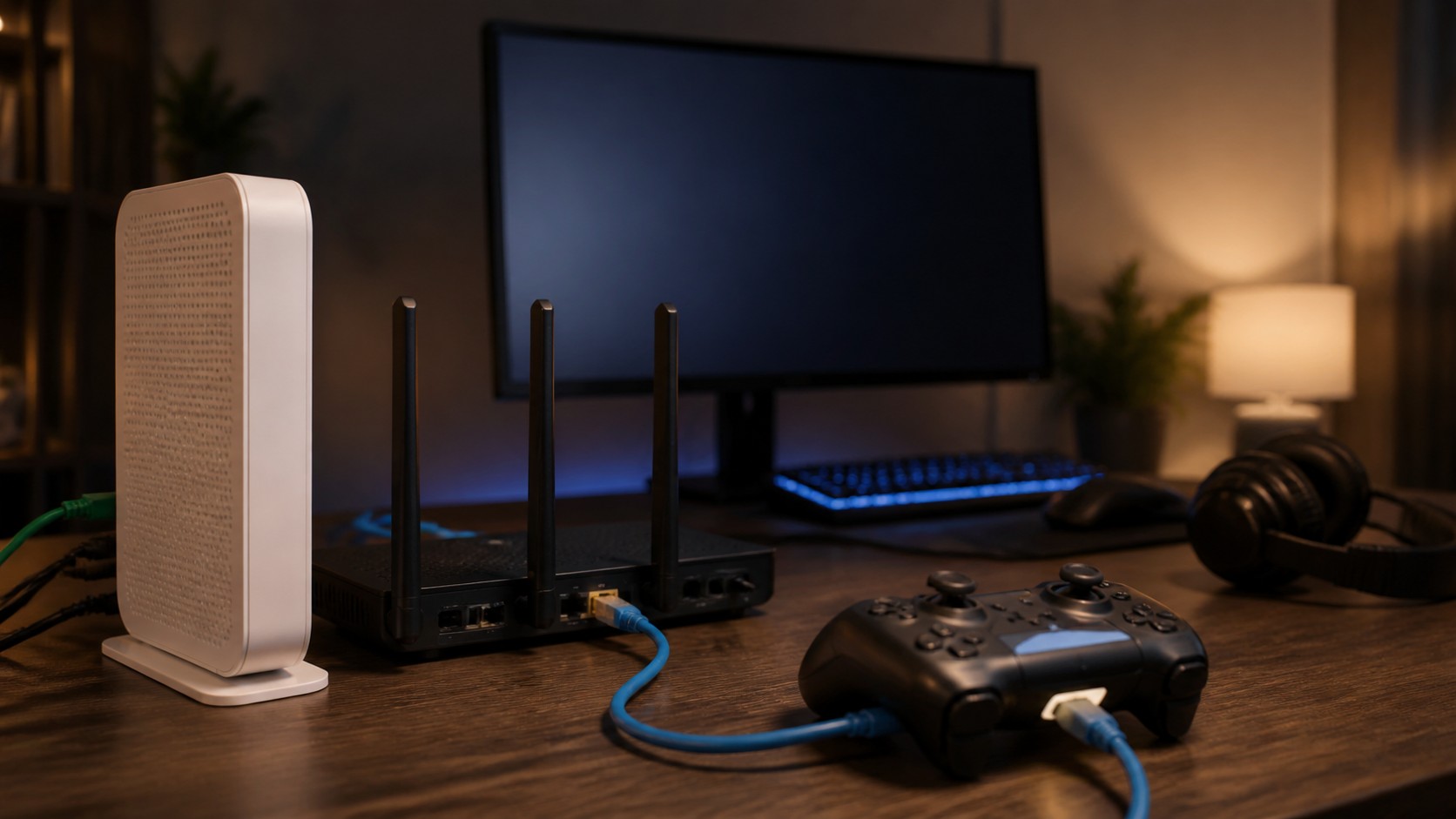
Internet service has become one of the most important utilities in modern life. In 2026, households depend on fast and reliable internet connections for remote work, online gaming, streaming entertainment, smart home automation, cloud storage, virtual learning, and AI-powered applications. As internet usage continues to grow, consumers are increasingly comparing the two dominant broadband technologies available today: fiber internet and cable internet. The debate between fiber and cable internet has intensified because both technologies continue to evolve rapidly. Cable providers are upgrading their networks to deliver faster speeds, while fiber companies are expanding into new cities and suburban neighborhoods at record pace. For consumers trying to choose the best internet service provider, understanding the strengths and weaknesses of each technology is more important than ever. The answer is not always simple because the best option depends on pricing, availability, household needs, upload speeds, latency, reliability, and future scalability. In many regions, fiber internet is viewed as the premium choice, but cable internet remains widely available and often delivers excellent performance for everyday households. In 2026, both technologies are competing harder than ever to dominate the broadband market.
A: Often, especially for upload, but local plan tiers and equipment still matter.
A: No. Fiber brings service to the home; Wi-Fi distributes it indoors.
A: Construction cost, permits, pole access, and local demand shape deployment.
A: Only if your devices, router, and workload can use that speed.
A: Yes. Power failures, equipment faults, and cable cuts can still interrupt service.
A: Yes, when routing and home networking are also strong.
A: Upload affects calls, backups, creators, cameras, and remote work.
A: Run wired and wireless tests in the rooms where service matters.
A: Yes. Local and municipal providers can be excellent where available.
A: The plan with enough speed, fair pricing, low latency, and dependable support at your address.
Understanding How Fiber Internet Works
Fiber internet uses strands of glass or plastic fibers to transmit data using pulses of light. This allows internet providers to move enormous amounts of information at extremely high speeds across vast distances with minimal signal degradation. Fiber optic technology has transformed telecommunications because it offers significantly faster and more stable internet performance compared to older copper-based systems. One of the biggest advantages of fiber internet is symmetrical speed capability. In many fiber plans, download and upload speeds are identical. A customer with a 1 Gig fiber plan may receive 1 Gbps downloads and 1 Gbps uploads simultaneously. This has become increasingly valuable in 2026 because modern households upload more data than ever before through cloud backups, livestreaming, video conferencing, and AI-driven applications.
Fiber networks also experience lower latency, meaning there is less delay when information travels between devices and servers. Gamers, remote workers, and businesses benefit greatly from reduced latency because applications feel more responsive and stable. Video calls become smoother, cloud gaming performs better, and large file transfers happen dramatically faster. Another reason fiber internet is gaining momentum is future scalability. Fiber infrastructure can support much higher bandwidth limits than traditional cable systems. Internet providers continue pushing multi-gigabit plans, with some markets already offering 5 Gbps and even 10 Gbps residential internet packages.
How Cable Internet Still Dominates Many Markets
Cable internet uses coaxial cables originally designed for television service. Over time, telecom companies upgraded these networks to deliver broadband internet through DOCSIS technology. Despite the rise of fiber, cable internet remains one of the most common broadband services in America because its infrastructure already exists in millions of neighborhoods.
Cable internet has improved substantially over the past decade. In 2026, many cable providers offer gigabit download plans capable of supporting large households, smart devices, and heavy streaming activity. For many users, cable internet provides enough speed for gaming, streaming, remote work, and everyday browsing without major issues. One of cable internet’s biggest advantages is availability. Fiber expansion continues rapidly, but many rural and suburban communities still rely primarily on cable networks. In some locations, cable internet may be the only practical high-speed broadband option outside satellite or fixed wireless services.
Cable internet also tends to offer competitive pricing. Internet providers frequently bundle cable broadband with mobile services, TV packages, and promotional discounts. For consumers focused on affordability, cable plans can provide strong value without requiring premium fiber pricing. Modern cable systems have also narrowed the performance gap with fiber. New DOCSIS upgrades allow cable companies to push faster download speeds than ever before. While upload speeds still lag behind fiber in most markets, cable providers continue investing billions into infrastructure improvements.
Speed Comparisons in 2026
Internet speed remains one of the biggest deciding factors for consumers. Fiber internet generally leads the industry in raw performance, especially for uploads. A fiber customer can often upload massive files in seconds while cable users may wait significantly longer. Download speeds between fiber and cable are becoming increasingly competitive. Many cable providers now offer download rates reaching 1 Gbps or higher. For households primarily focused on streaming movies, browsing social media, or watching online videos, cable speeds may feel nearly identical to fiber during normal use. The real difference appears during high-demand situations. Fiber connections handle multiple simultaneous users more efficiently because they are less vulnerable to network congestion. In neighborhoods where many cable users share the same infrastructure, speeds may slow during peak evening hours.
Fiber also excels when households have many connected devices. Smart TVs, gaming consoles, tablets, smart speakers, security cameras, AI assistants, and work computers all place growing demands on modern networks. Fiber’s larger bandwidth capacity makes it more prepared for increasingly connected homes. In 2026, upload speed is becoming just as important as download speed. Remote workers constantly upload presentations and cloud documents. Gamers stream gameplay online. Content creators publish 4K video files. AI applications increasingly rely on cloud synchronization. Fiber’s symmetrical speed advantage gives it a major edge in these scenarios.
Reliability and Stability Differences
Reliability has become a major selling point for internet providers. Modern households expect constant connectivity because internet outages can disrupt work, entertainment, education, and communication instantly. Fiber internet is generally considered more reliable than cable because fiber optic lines are less vulnerable to electromagnetic interference and signal degradation. Weather conditions, electrical interference, and long-distance transmission issues affect fiber less severely than older copper-based systems.
Cable internet can still deliver reliable performance, especially in upgraded urban areas, but shared bandwidth creates greater variability. During heavy usage periods, customers may experience reduced performance if local network nodes become congested.
Fiber also tends to maintain more consistent speeds throughout the day. For users who require dependable performance for business operations or remote work, this stability becomes extremely valuable. However, reliability also depends heavily on the quality of the provider’s infrastructure. A poorly maintained fiber network can perform worse than a well-managed cable system. Customers should research local ISP reputations before choosing either technology.
Gaming Performance and Low Latency
Gaming has become one of the most demanding internet applications in modern households. Competitive online gaming requires low latency, stable connections, and fast responsiveness. Fiber internet typically offers the best gaming experience because of its low ping and symmetrical speeds. Online games respond faster, downloads complete more quickly, and livestreaming gameplay becomes smoother. Competitive esports players especially benefit from fiber’s lower latency.
Cable internet still performs very well for most gaming situations. Casual gamers and console users often experience excellent results with high-quality cable plans. However, cable connections are slightly more vulnerable to congestion during busy hours, which may affect latency-sensitive games. Cloud gaming services are also growing rapidly in 2026. These platforms stream entire games directly from remote servers, making stable low-latency internet more important than ever. Fiber’s superior responsiveness positions it as the preferred technology for cloud-based gaming experiences.
Pricing and Value for Consumers
Cost remains one of the most important factors when choosing an internet provider. Fiber internet often carries premium pricing because providers must build expensive infrastructure networks. In newly expanded fiber markets, installation costs can also be higher.
Cable internet frequently wins on affordability. Many providers offer introductory deals, lower monthly prices, and flexible package options. For average households with moderate internet demands, cable may provide better short-term value. However, pricing trends are shifting. As competition increases, fiber providers are lowering prices to attract customers. In some cities, fiber plans are becoming surprisingly competitive with cable offerings.
Consumers should also consider long-term value rather than only monthly cost. Fiber’s better upload speeds, stability, and scalability may justify slightly higher pricing for households heavily dependent on internet connectivity. Hidden fees also matter. Equipment rentals, installation charges, data caps, and contract requirements vary significantly between providers. In 2026, many consumers prefer transparent pricing and no-contract flexibility when comparing ISPs.
Availability and Expansion in 2026
Availability remains one of the biggest barriers to fiber adoption. While fiber expansion has accelerated dramatically, millions of households still lack access to fiber infrastructure. Cable internet remains dominant largely because providers already installed extensive coaxial networks decades ago. Expanding cable service is generally easier and less expensive than building entirely new fiber systems.
Governments and private telecom companies are investing heavily in broadband expansion initiatives. Rural fiber deployment has become a major national priority in many regions as communities demand better internet access for education, healthcare, and economic growth. Urban areas are seeing the fastest fiber growth. Competitive telecom markets increasingly feature multiple fiber providers fighting for customers through aggressive pricing and faster speeds. Still, many suburban and rural consumers will continue relying on cable internet for years because infrastructure expansion takes time and enormous investment.
The Future of ISP Technology
The future of broadband clearly points toward fiber-based infrastructure. Telecom companies recognize that future internet demands will require significantly greater bandwidth capacity than traditional networks can support long term. Artificial intelligence, augmented reality, virtual reality, smart cities, autonomous vehicles, and cloud computing will all increase data consumption dramatically over the next decade. Fiber’s scalability makes it far more capable of supporting these emerging technologies.
Cable providers are not standing still, however. DOCSIS upgrades continue improving performance, and hybrid fiber-coaxial systems are helping cable companies remain competitive. Many cable providers are gradually integrating more fiber deeper into their networks.
Wireless technologies like 5G home internet are also adding new competition to the broadband industry. In some regions, wireless alternatives may challenge both fiber and cable providers by offering easier installation and competitive speeds. Despite these developments, most telecom analysts believe fiber will eventually become the long-term foundation for modern internet infrastructure worldwide.
Which Technology Is Better for Different Households?
Choosing between fiber and cable depends largely on household needs. Fiber internet is usually the better option for gamers, remote workers, content creators, tech enthusiasts, and large smart homes. Its symmetrical speeds, low latency, and stability provide premium performance for demanding applications. Cable internet remains an excellent option for everyday households focused on affordability and availability. Streaming movies, browsing the web, attending virtual classes, and casual gaming all work extremely well on modern cable networks.
For budget-conscious families, cable internet may provide the best balance between cost and performance. For households heavily dependent on cloud services and advanced applications, fiber often delivers superior long-term value. Availability also plays a major role. In many communities, consumers may only have one realistic high-speed option. Until fiber becomes universally accessible, cable internet will remain critically important.
Final Verdict on Fiber vs Cable Internet in 2026
The battle between fiber and cable internet has become one of the most important technology competitions in modern telecommunications. In 2026, fiber internet clearly leads in speed, upload performance, reliability, scalability, and low latency. It represents the future of broadband infrastructure and continues expanding rapidly across cities and suburbs. Cable internet, however, remains highly competitive because of its widespread availability, strong download speeds, and affordable pricing. Modern cable networks deliver excellent performance for millions of households and continue evolving through infrastructure upgrades.
For consumers who have access to both options, fiber internet is generally the better long-term investment if pricing remains reasonable. Its superior technology is better prepared for the growing internet demands of modern life. However, cable internet still offers tremendous value and remains more than capable for many households. As internet technology continues evolving, the gap between these services will shape the future of remote work, entertainment, smart homes, gaming, and digital communication. Whether consumers choose fiber or cable, one thing is certain: fast and reliable internet has become an essential foundation of modern life.