How Noise Affects Signals (And How Engineers Remove It)
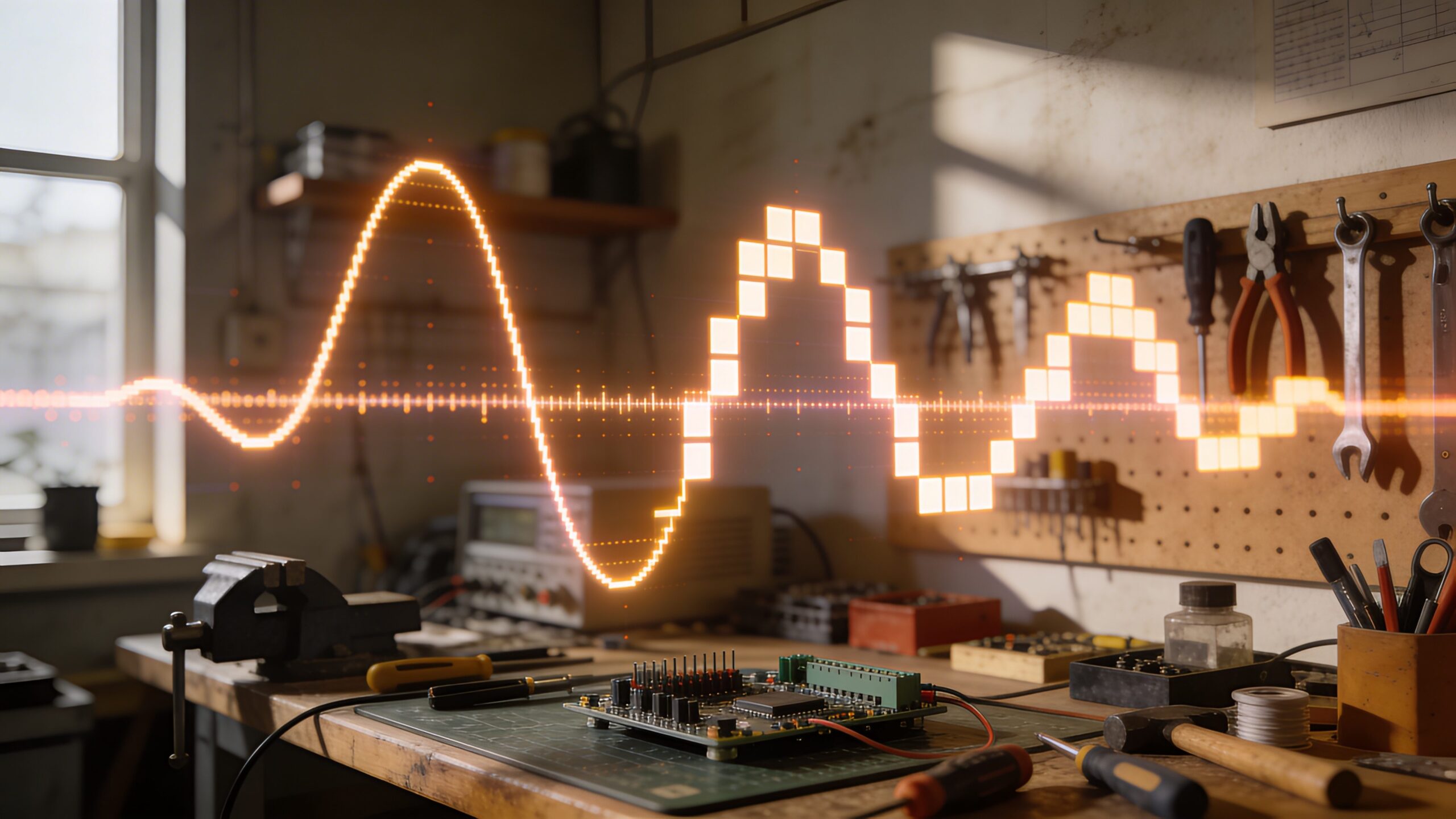
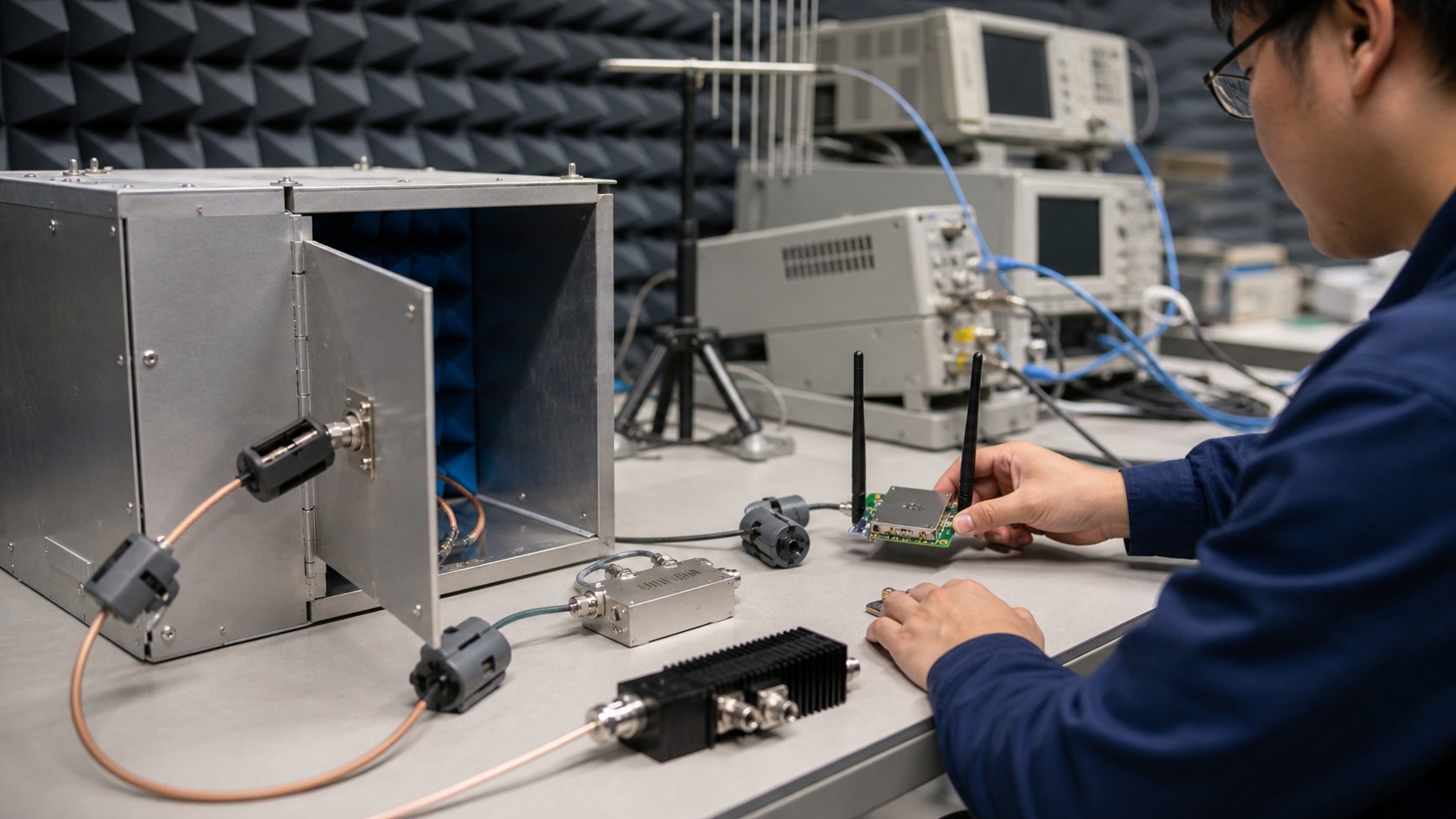
Noise affects wireless signals by reducing clarity and reliability; engineers manage it with filtering, shielding, coding, antennas, measurement, and signal processing.

Where Technology Meets Communication
Noise affects wireless signals by reducing clarity and reliability; engineers manage it with filtering, shielding, coding, antennas, measurement, and signal processing.
Signal processing helps wireless systems modulate, filter, encode, transmit, receive, equalize, and recover data from noisy radio signals.
Real-time signal processing analyzes signals fast enough for immediate use in calls, wireless networks, radar, industrial systems, and telecom equipment.
Signal processing makes modern communication possible by filtering noise, encoding data, correcting errors, separating signals, and recovering information.
Signal processing is the invisible engine behind modern technology. This beginner-friendly guide explains how signals are shaped, cleaned, and transmitted across today’s connected world.
Digital and analog signal processing power everything from music to mobile networks. This guide breaks down how they work, where they differ, and why modern systems rely heavily on digital techniques while analog remains essential in real-world signal capture.