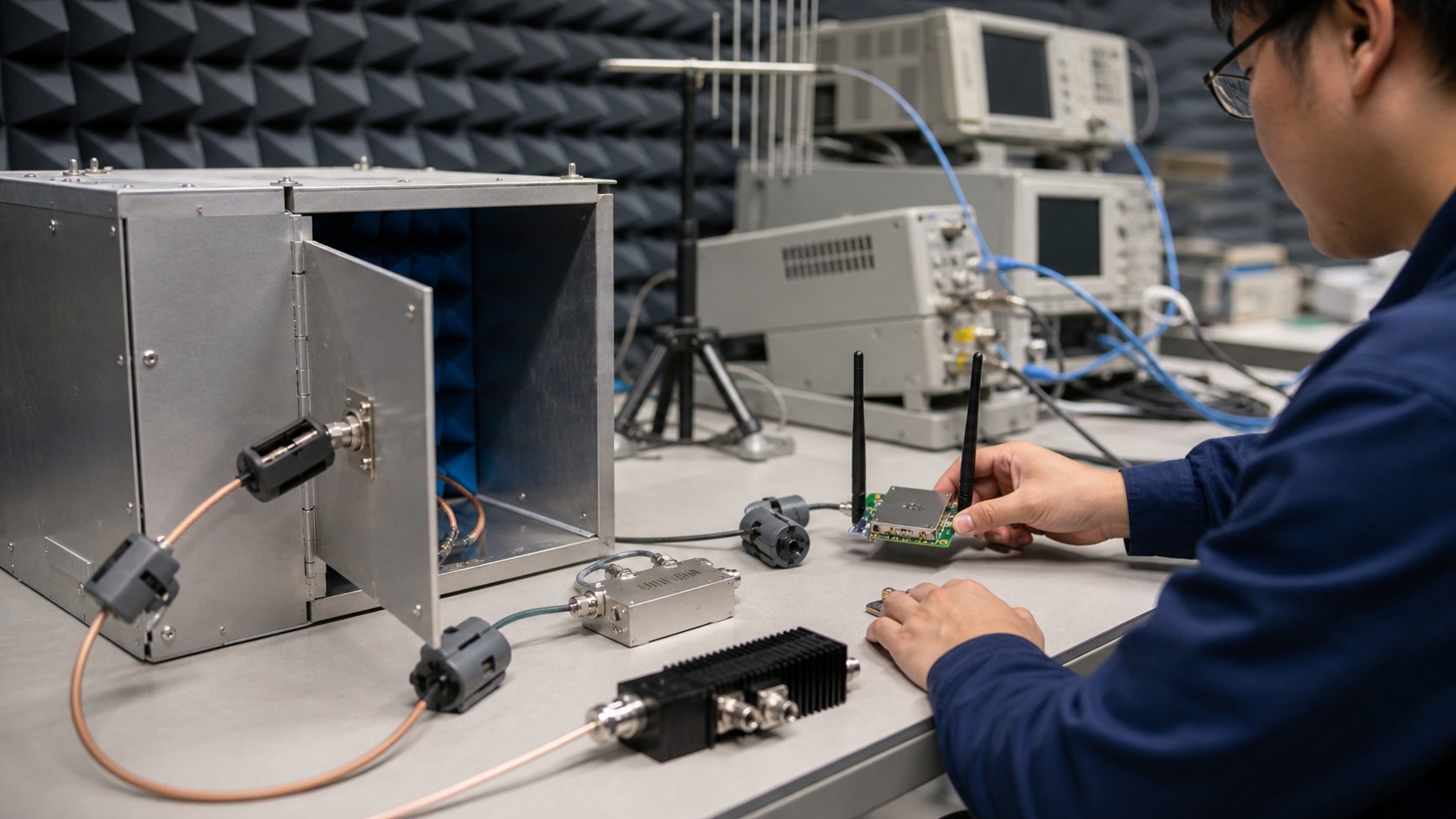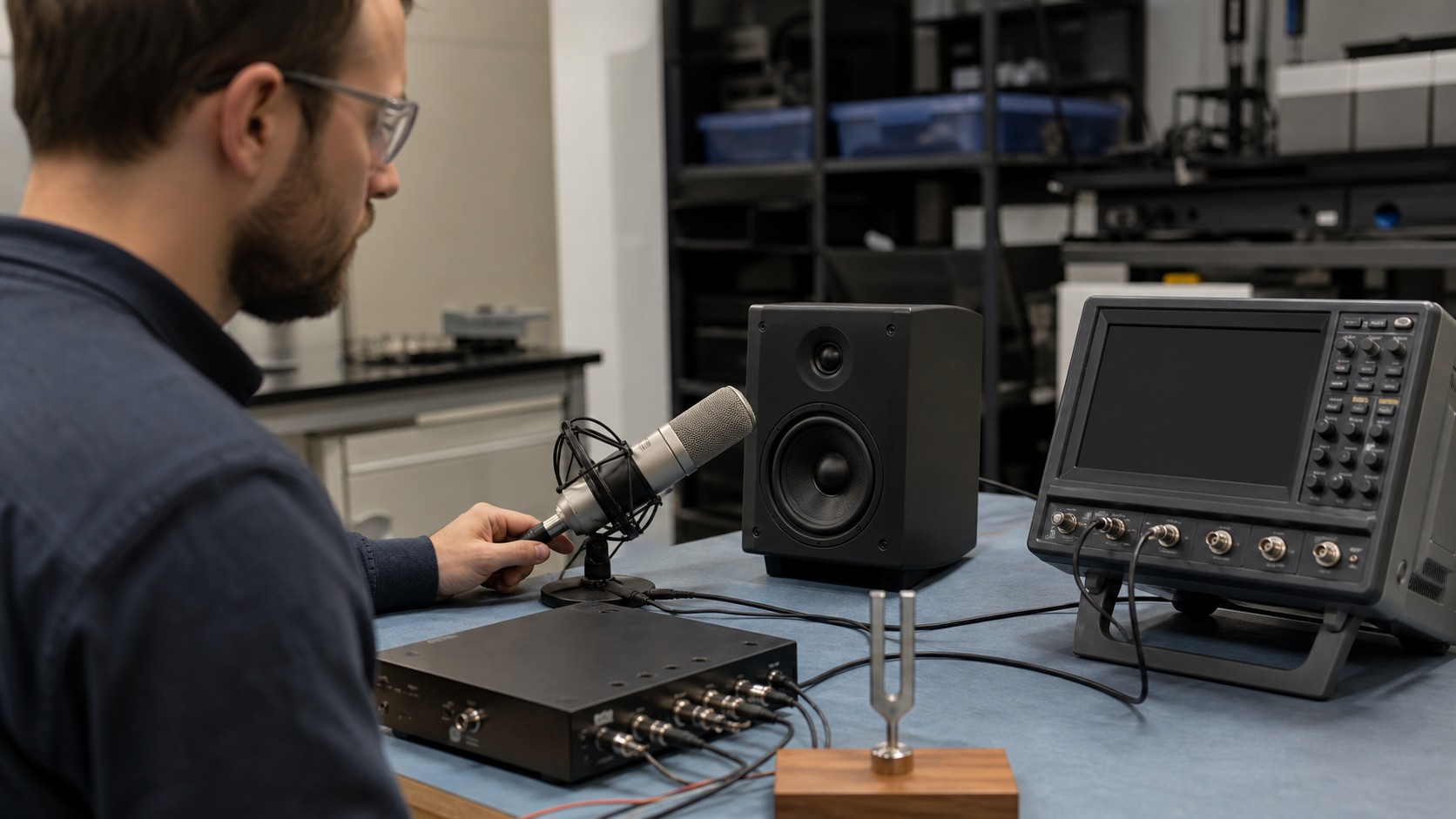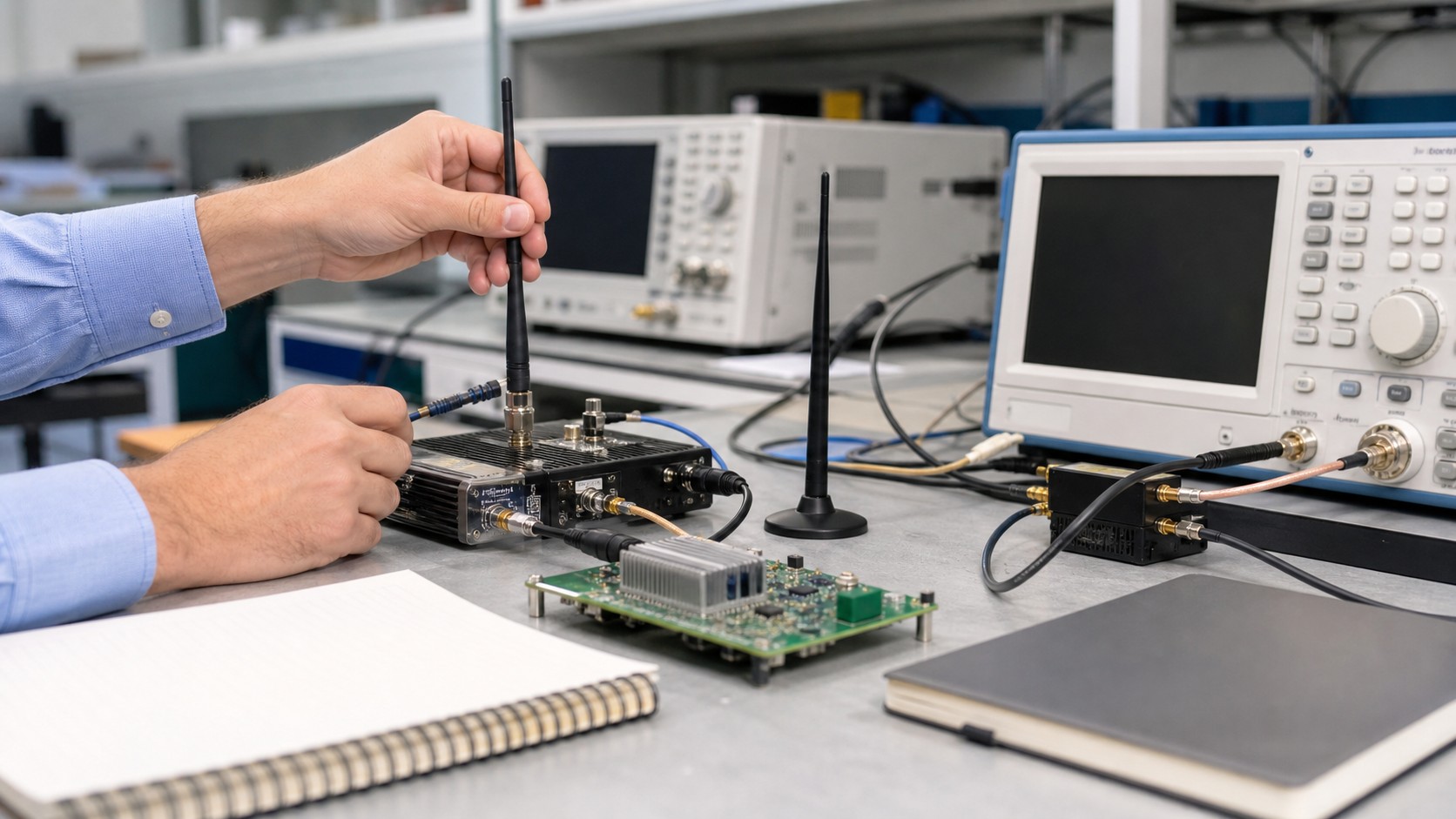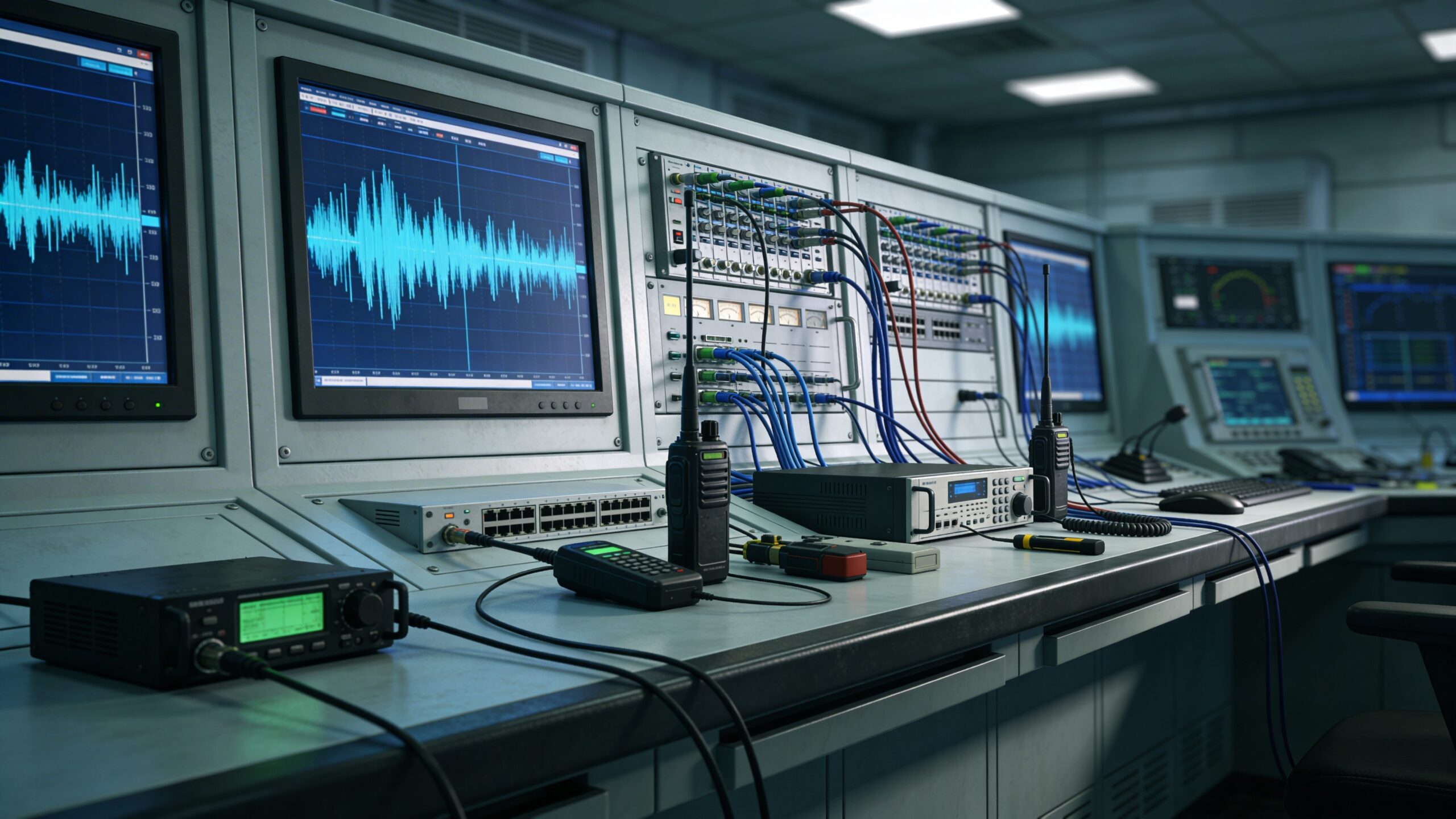
Signal processing is one of the most important technologies behind the modern world, yet most people use it every day without ever thinking about it. It helps voices travel through smartphones, keeps music sounding clean in headphones, allows cameras to sharpen images, and makes wireless communication possible across homes, offices, cities, and continents. From simple radio transmissions to advanced satellite systems, signal processing plays a central role in turning raw information into something useful, reliable, and understandable. At its core, signal processing is the science and engineering of analyzing, modifying, improving, and transmitting signals. A signal is simply something that carries information. That information might be sound, light, temperature, motion, voltage, or data moving through a network. Signal processing takes that information and helps shape it so it can be sent, received, stored, or interpreted more effectively. For beginners, it can sound technical at first, but the core idea is surprisingly practical: signal processing helps systems make sense of information in the real world.
A: A changing physical or digital pattern that carries information.
A: Unwanted variation that makes the useful signal harder to recover.
A: It helps determine how much information can be carried.
A: It keeps useful parts of a signal and reduces unwanted parts.
A: A way to describe a signal by the frequencies inside it.
A: No. Digital systems still depend on physical signals and error handling.
A: Distance, routing, buffering, and processing can all add delay.
A: Only if it does not amplify too much noise.
A: They determine how well devices send and receive radio energy.
A: Communication improves when the useful signal is preserved and noise is controlled.
What Is a Signal?
Before understanding signal processing, it helps to understand what a signal actually is. In the simplest sense, a signal is a changing quantity that carries information from one place to another. That change might happen over time, over distance, or across a physical medium. When you speak into a microphone, your voice creates air pressure changes. The microphone turns those changes into an electrical signal. That electrical signal can then be processed, transmitted, recorded, or played back.
Signals appear in many forms. Audio signals carry sound. Radio signals carry wireless data. Optical signals carry information through fiber optic cables using pulses of light. Biomedical signals represent things like heartbeats or brain activity. Even a video stream is made of signals that must be processed quickly and accurately. In communication systems, signals are the language devices use to exchange information, and signal processing is what helps that language stay clear and useful.
What Signal Processing Actually Does
Signal processing focuses on working with signals so they perform better or reveal more information. In some cases, the goal is to remove unwanted interference. In others, the goal is to compress data, improve clarity, extract patterns, or prepare the signal for transmission. A noisy phone call, for example, can be cleaned up through signal processing so speech becomes easier to hear. A weak wireless signal can be filtered and corrected so data reaches its destination more accurately. This field covers a wide range of tasks. It can involve amplification, filtering, sampling, modulation, compression, detection, reconstruction, and analysis. Some systems process signals in real time, while others analyze stored signals later. What unites all these tasks is the goal of transforming raw information into a more usable form. Signal processing acts like an intelligent middle layer between the messy physical world and the precise digital systems people depend on.
Analog and Digital Signal Processing
One of the most important beginner concepts is the difference between analog and digital signal processing. Analog signal processing works with continuous signals, which means the signal flows smoothly and can take any value within a range. Natural sound waves are a classic example of analog behavior. Traditional radios and older audio systems often relied heavily on analog processing.
Digital signal processing works with signals that have been converted into numerical data. The original analog signal is sampled at specific intervals, and each sample is represented digitally. Once a signal becomes digital, it can be manipulated by software, processors, and algorithms. This allows for extremely flexible control, high accuracy, and advanced features such as error correction, compression, and adaptive filtering.
Modern systems usually combine both approaches. Many signals begin in the analog world because sound, light, and motion are naturally continuous. After that, they are often converted into digital form so advanced processing can take place. That blend of analog input and digital analysis is one reason signal processing has become so powerful in modern communication systems.
Why Signal Processing Matters
Signal processing matters because raw signals are rarely perfect. They pick up noise, lose strength, suffer distortion, or contain far more data than necessary. Without signal processing, communication systems would be far less reliable, audio would sound worse, video would appear less clear, and wireless networks would struggle with interference. Signal processing improves quality, saves bandwidth, reduces errors, and allows technology to operate efficiently in real conditions.
It also makes modern scale possible. When millions of people stream music, join video calls, use GPS navigation, or send messages at once, signal processing is one of the reasons those systems can keep up. It helps divide data into manageable formats, organize how it moves, and recover information when conditions are poor. In many ways, it is the invisible engineering layer that turns information into a practical service.
Common Building Blocks of Signal Processing
For beginners, a few foundational concepts appear again and again. Sampling is one of them. Sampling is the process of measuring an analog signal at regular intervals so it can be represented digitally. The more carefully a signal is sampled, the more accurately the digital version can reflect the original.
Filtering is another major concept. Filters remove unwanted parts of a signal or isolate the useful parts. An audio system might filter out hum or hiss, while a wireless system may filter out interference from nearby frequencies. Amplification increases signal strength, which helps weak signals become easier to process or transmit. Modulation is the method of placing information onto a carrier signal so it can travel through a communication channel. Demodulation reverses that process at the receiving end.
Compression is equally important in modern systems. Large audio, image, and video files are often compressed so they use less storage and bandwidth. Signal processing makes this possible by preserving the most important information while reducing redundancy. These building blocks form the foundation of countless devices and communication networks.
Signal Processing in Everyday Life
Signal processing is everywhere. When you unlock your phone with your voice, signal processing helps interpret the sound. When you stream a movie, it helps compress, transmit, decode, and display the content. When your car uses sensors to detect obstacles, signal processing helps clean and interpret the incoming signals. Even simple earbuds rely on it to manage audio balance, reduce noise, and improve clarity.
Communication systems are especially dependent on it. Mobile networks use signal processing to manage data transmission, reduce dropped calls, improve voice quality, and help devices stay connected while moving. Wi-Fi systems use it to organize signals across crowded environments. Satellites rely on it to correct errors and maintain usable data across huge distances. Without signal processing, modern connectivity would be slower, noisier, and far less dependable.
Noise, Interference, and Distortion
A beginner-friendly way to understand the value of signal processing is to look at the problems it solves. Noise is unwanted random energy that mixes with a signal and makes it harder to interpret. Interference comes from competing signals or outside sources that disrupt the intended message. Distortion changes the shape or meaning of the original signal and can reduce quality or accuracy. Signal processing helps manage all three. It can detect patterns, filter out unwanted content, strengthen weak signals, and restore usable information. In digital systems, it can also add protection through coding and error correction. This is one reason digital communication can remain reliable even in environments that are far from perfect. Signal processing does not eliminate physics, but it gives engineers powerful tools to work around real-world limitations.
Frequency, Bandwidth, and Time
Three ideas show up often in signal processing: frequency, bandwidth, and time. Frequency refers to how often a repeating signal cycles in a given time period. Higher frequencies repeat more quickly. In communication systems, different types of information often occupy different frequency ranges.
Bandwidth describes how much frequency space a signal uses or how much data a channel can carry. Wider bandwidth generally supports higher data capacity, but it also requires efficient management. Time matters because signals change from moment to moment. Some processing focuses on how a signal behaves over time, while other methods focus on how energy is distributed across frequencies.
Beginners do not need advanced math to grasp the big picture. Signal processing studies signals in time, in frequency, or in both, depending on what engineers need to understand or improve.
Signal Processing in Communication Systems
Communication systems are one of the clearest places to see signal processing in action. When information is sent from one device to another, it must be encoded, shaped, transmitted, received, and decoded. Along the way, it may encounter noise, fading, interference, and timing challenges. Signal processing helps every stage work better.
At the sending side, it prepares the signal so it can travel efficiently through a chosen medium, whether that medium is air, copper, fiber, or space. During transmission, it may help manage bandwidth and reduce wasted energy. At the receiving side, it helps recover the original information, correct errors, and present the message in useful form. This is true in everything from radio broadcasts to broadband internet, Bluetooth devices, navigation systems, and cellular networks.
Why Digital Signal Processing Dominates Modern Technology
Digital signal processing has become dominant because it offers flexibility, consistency, and scalability. Once a signal is in digital form, it can be handled by software and programmable hardware. That makes it easier to update systems, improve algorithms, and support new features without redesigning everything from scratch. Digital systems also handle storage, transmission, encryption, and replication far better than purely analog systems. A digital signal can be copied many times with little or no quality loss. It can be analyzed by machines, adapted in real time, and integrated into larger computing systems. This makes it ideal for modern networks, smart devices, and connected infrastructure. Even so, analog stages still matter because the physical world begins with continuous signals, not numbers.
Learning Signal Processing as a Beginner
For beginners, signal processing can seem intimidating because the field touches electronics, math, software, and communication theory. The good news is that the basic ideas are intuitive once they are tied to real examples. If you understand that signals carry information and processing improves how that information is used, you already understand the core idea.
From there, it helps to learn a few simple concepts well rather than trying to master everything at once. Start with signals, noise, filters, sampling, and frequency. Then move into communication examples such as radio, audio, and wireless data. Once those ideas feel familiar, more advanced topics like Fourier analysis, modulation techniques, and digital filtering become much easier to understand in context.
The Future of Signal Processing
Signal processing continues to grow in importance as technology becomes more connected, intelligent, and data-driven. New wireless standards, autonomous systems, edge computing, and artificial intelligence all rely on faster and smarter signal analysis. In modern networks, signal processing is no longer just about moving information from one place to another. It is also about interpreting that information, optimizing performance, and making systems adapt in real time. As devices become smaller and more powerful, signal processing will keep expanding into areas such as wearable technology, robotics, remote sensing, and immersive communication. For beginners, that makes it one of the most useful and future-facing subjects in communication systems and engineering.
Final Thoughts
Signal processing is the practice of working with signals so information can be captured, improved, transmitted, and understood more effectively. It sits behind countless technologies people use every day, from voice calls and streaming video to wireless networking and smart devices. Whether the signal is analog or digital, the goal remains the same: turn raw information into something clearer, stronger, and more useful.
For anyone exploring communication systems and protocols, signal processing is not just another technical topic. It is one of the foundations that makes the entire connected world possible. Once you understand what signals are and how they are shaped, filtered, and analyzed, many modern technologies start to make a lot more sense. That is what makes signal processing such an exciting subject for beginners: it reveals the hidden engineering behind everyday life.