Why Choosing the Right Smartphone Matters More Than Ever
In 2026, smartphones are no longer simple communication tools. They are the center of daily life, functioning as cameras, productivity hubs, entertainment systems, navigation tools, and digital wallets. With so many roles packed into a single device, choosing the right smartphone has become one of the most important tech decisions you can make. The challenge is not a lack of options but an overwhelming abundance of them. Every year brings faster processors, better cameras, brighter displays, and smarter software. Yet not every feature matters equally to every user. The right smartphone is not necessarily the most expensive or the most powerful, but the one that fits your personal needs, habits, and expectations. This guide is designed to simplify that decision. By understanding what truly matters and how each feature impacts your experience, you can confidently choose a smartphone that delivers real value.
A: Yes if you want flexibility, but confirm carrier support first.
A: Choose more if you keep photos, video, games, or the phone for years.
A: It is useful, but strong LTE can still be enough in some areas.
A: They help, but battery, camera, updates, and modem support matter too.
A: Replace it when battery, security updates, performance, or network support no longer fits.
A: Many are, especially when they have clean software and long update support.
A: No. Processing, stabilization, and lens quality matter.
A: Most users benefit more from reliable battery life.
A: Sometimes, if it supports better bands for that carrier.
A: A phone with broad carrier support, good updates, and enough storage.
Start With Your Budget and Priorities
The first step in choosing a smartphone is defining your budget. Smartphones now span a wide price range, from affordable entry-level devices to premium flagship models. While it is tempting to focus on high-end features, many mid-range and even budget phones offer excellent performance for everyday use.
Your budget should align with how you use your phone. If you rely heavily on your device for work, photography, or gaming, investing in a higher-end model may be worthwhile. On the other hand, if your usage revolves around messaging, browsing, and streaming, a mid-range or budget device can provide everything you need.
Priorities matter just as much as price. Some users value camera quality above all else, while others care more about battery life or performance. Understanding your priorities helps narrow down your options and prevents unnecessary spending on features you may never use.
Understanding Performance and Processing Power
Performance is one of the most important aspects of any smartphone. It determines how fast apps open, how smoothly games run, and how well your device handles multitasking. In 2026, modern processors are incredibly powerful, but there are still noticeable differences between entry-level, mid-range, and flagship chips.
High-end smartphones feature advanced processors capable of handling demanding tasks such as gaming, video editing, and AI-driven applications. These devices are designed for users who want top-tier speed and responsiveness. Mid-range phones offer a balance between performance and efficiency, making them ideal for most everyday users. Budget devices focus on essential functionality and may struggle with heavy multitasking or resource-intensive apps. RAM also plays a role in performance. More RAM allows your phone to keep more apps open in the background without slowing down. However, optimization is just as important as raw numbers. A well-optimized phone with moderate RAM can feel faster than a poorly optimized device with higher specifications.
Display Quality and User Experience
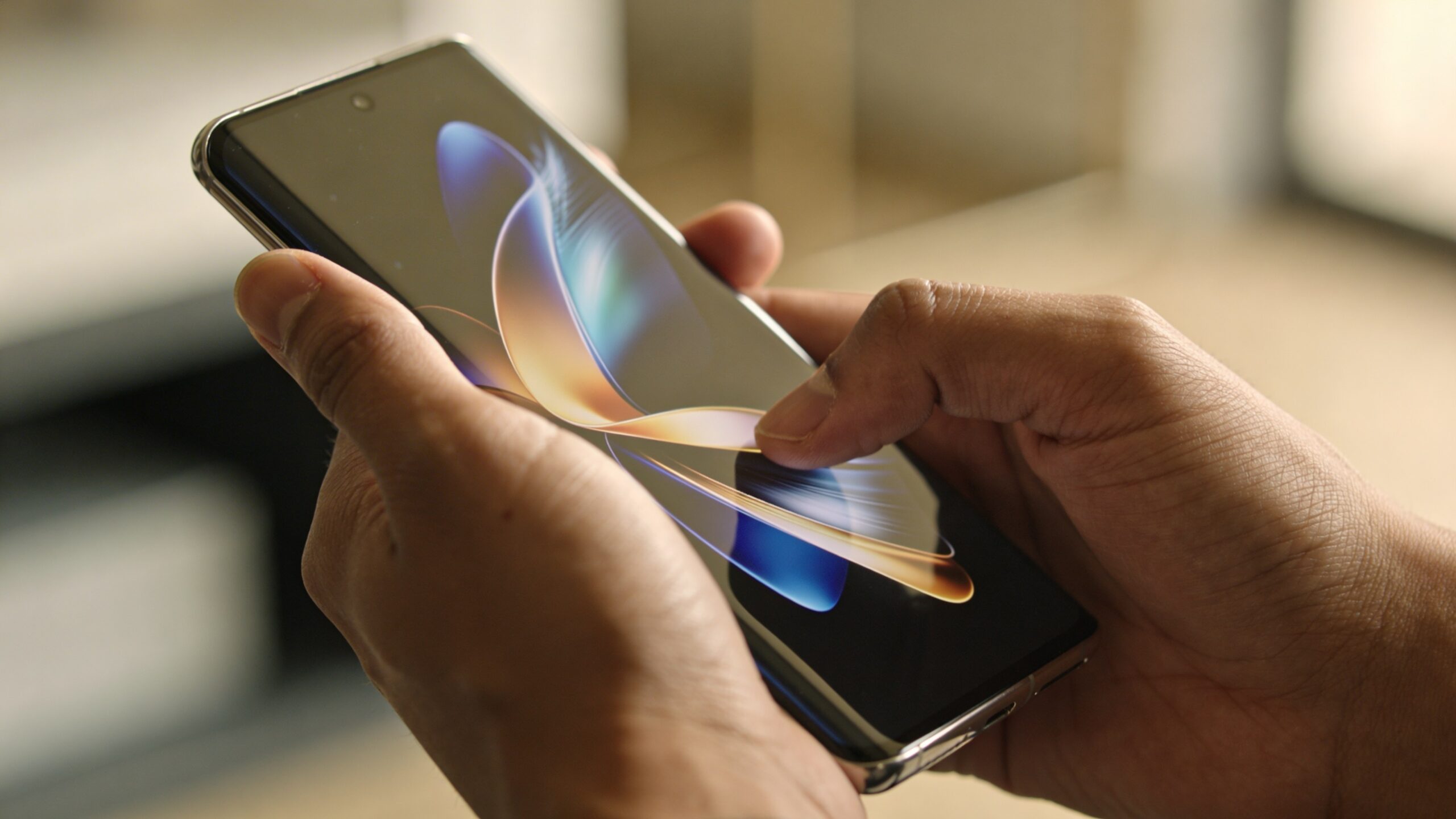
The display is one of the most noticeable aspects of a smartphone, as it affects everything from reading and browsing to watching videos and playing games. Modern smartphones feature high-resolution screens with vibrant colors and impressive brightness levels.
OLED and AMOLED displays are widely considered superior due to their ability to produce deep blacks and rich contrast. These displays enhance the viewing experience, especially when consuming media. Refresh rate is another important factor. Higher refresh rates create smoother animations and scrolling, making the phone feel more responsive.
Screen size is a matter of personal preference. Larger screens are great for productivity and entertainment, while smaller devices are easier to handle and carry. The right choice depends on how you plan to use your phone and what feels comfortable in your hand.
Camera Systems: More Than Just Megapixels
Smartphone cameras have evolved into sophisticated imaging systems that rely heavily on both hardware and software. While megapixels are often highlighted, they are only one part of the equation. Sensor quality, lens design, and image processing all play crucial roles in determining photo quality. Modern smartphones use computational photography to enhance images. This includes features such as night mode, portrait effects, and real-time HDR processing. These technologies allow users to capture high-quality photos in a wide range of conditions.
Different smartphones excel in different areas of photography. Some prioritize natural color accuracy, while others focus on zoom capabilities or low-light performance. Video recording has also become a major factor, with many devices offering advanced stabilization and cinematic features. Choosing a smartphone with the right camera system depends on how you plan to use it. Casual users may be satisfied with a versatile setup, while photography enthusiasts may seek out devices with specialized features.
Battery Life and Charging Convenience
Battery life is one of the most practical considerations when choosing a smartphone. A device with poor battery performance can quickly become frustrating, especially for users who rely on their phones throughout the day.
Battery capacity is important, but efficiency matters just as much. Modern processors and software optimization play a significant role in extending battery life. Many smartphones now use intelligent systems to manage power consumption based on usage patterns.
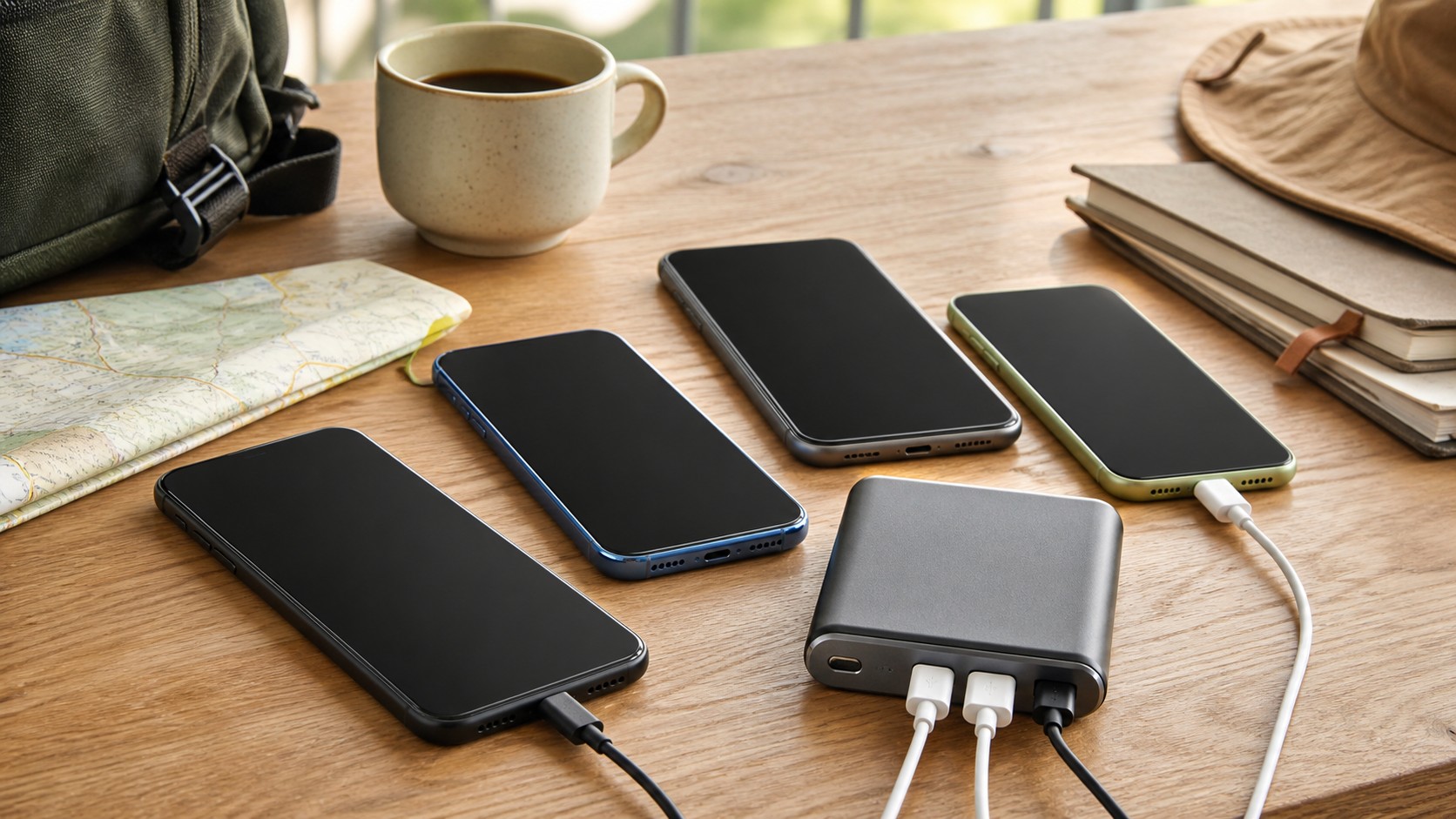
Charging technology has also improved significantly. Fast charging allows users to quickly recharge their devices, while wireless charging adds convenience. Some smartphones even support reverse charging, enabling them to power other devices. For users who are constantly on the go, a smartphone with strong battery performance and fast charging capabilities can make a noticeable difference in daily usability.
Storage and Connectivity Considerations
Storage is another key factor to consider when buying a smartphone. With apps, photos, videos, and downloads taking up more space than ever, having sufficient storage is essential. For many users, 128GB is a practical starting point, while higher capacities are better for those who capture a lot of media or use large applications.
Cloud storage can supplement local storage, but it should not replace it entirely. Having enough onboard storage ensures that your phone remains fast and responsive. Connectivity features such as 5G, Wi-Fi, and Bluetooth also play an important role. These technologies enable faster data speeds, better streaming quality, and seamless connection to accessories. As networks continue to evolve, choosing a phone with strong connectivity support ensures better long-term usability.
Software Experience and Ecosystem
The software experience is one of the most overlooked aspects of smartphone buying. A well-designed interface can make a device feel intuitive and enjoyable, while poor software can lead to frustration.
Different operating systems offer different experiences. Some focus on customization and flexibility, while others emphasize simplicity and integration. The choice often comes down to personal preference and familiarity.
Ecosystem integration is another important factor. Smartphones are increasingly connected to other devices such as laptops, tablets, and smart home systems. Choosing a phone that works seamlessly with your existing devices can enhance productivity and convenience. Software updates are also critical. Devices that receive regular updates remain secure and compatible with new applications. Long-term support can significantly extend the life of your smartphone.
Build Quality, Design, and Durability
A smartphone is something you use every day, so its design and build quality matter more than you might think. Premium materials such as glass and metal offer a refined look and feel, while durable construction ensures that the device can withstand daily wear and tear. Water resistance has become a common feature in many smartphones, providing protection against accidental spills and splashes. While this does not make a device completely waterproof, it adds an extra layer of security.
Ergonomics are also important. A phone should feel comfortable in your hand and easy to use. Factors such as weight, thickness, and button placement can affect the overall experience. Choosing a smartphone that combines durability with a design you enjoy can enhance your satisfaction over time.
Special Features That May Matter to You
Modern smartphones come with a wide range of additional features that may influence your decision. These include biometric security options such as fingerprint sensors and facial recognition, which provide convenient and secure access to your device. Some phones offer unique capabilities such as stylus support, foldable displays, or enhanced gaming features. These options cater to specific user needs and can add significant value if they align with your interests.
Audio quality is another consideration. Stereo speakers and advanced audio tuning can improve media consumption and calls. Small details like these can have a noticeable impact on your overall experience. Understanding which features matter most to you helps ensure that you choose a device that truly fits your lifestyle.
Matching the Right Phone to Your Lifestyle
The best smartphone is the one that fits seamlessly into your daily routine. For some users, this means having a powerful device that can handle demanding tasks. For others, it means having a reliable phone that simply works without complications.
Students may prioritize affordability and battery life, while professionals may focus on productivity and security. Travelers may look for strong connectivity and camera performance, while gamers may seek high performance and responsive displays.
By considering how you use your phone on a daily basis, you can identify the features that matter most and choose a device that meets your needs.
Common Mistakes to Avoid When Buying a Smartphone
One of the most common mistakes is focusing too much on specifications without considering real-world performance. Numbers can be misleading if they are not supported by good optimization and user experience. Another mistake is overspending on features that you may not need. While flagship devices offer impressive capabilities, they are not always necessary for every user. It is important to balance features with practical usage.
Ignoring software support is another pitfall. A phone that does not receive regular updates may become outdated quickly, even if its hardware is still capable. Taking the time to research and understand your options can help you avoid these mistakes and make a more informed decision.
Final Thoughts: Making a Smart Choice
Choosing the right smartphone in 2026 is about more than just picking a popular model. It is about understanding your needs, evaluating your options, and finding a device that delivers the best overall experience for you.
With advancements in technology, there are excellent choices available at every price point. Whether you are looking for a premium flagship, a balanced mid-range device, or an affordable budget phone, there is a smartphone that fits your lifestyle.
By focusing on what truly matters and avoiding unnecessary complexity, you can make a confident and informed decision. The right smartphone is not just a device—it is a companion that supports your daily life and keeps you connected to the world around you.